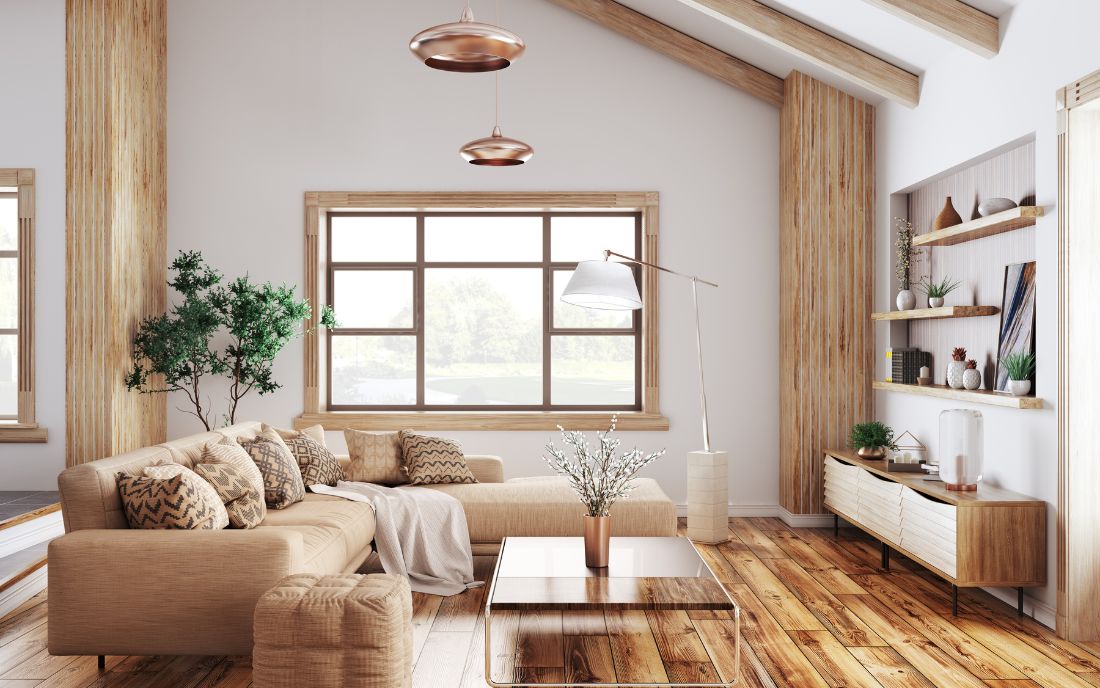
Sofas can be great centerpieces for a living room or any area in the house that needs an extra touch of style and coziness. Our guide below will introduce you to easy tips for choosing the right sofa for your living space. If you want to find a couch with the right mix of visual appeal and a wonderful feel, read on.
Know the Available Space
Obviously, you’re familiar with the space; it’s your house. That said, you should get a more precise measurement of how much space you have to work with. This helps with shopping because if something is too big or small, you can move on to a better fit. Moreover, assessing the space in this way helps because it means you can brainstorm alternative layouts if your initial idea doesn’t work out.
Consider the Surrounding Aesthetic
Another detail you should assess is the surrounding aesthetic. For instance, if you’re aiming for an upscale or industrial aesthetic, there is plenty of high-end living room furnitureavailable featuring unique designs in line with those themes. Likewise, you can find many hand-stressed pieces that fit beautifully into a rustic setting. Simply put, even when you narrow down your aesthetic preferences, your options remain vast.
Contrast or Complement With Colors
Beyond the overall theme of the surrounding décor, think about how you can play with the colors, too. For instance, you can find ways to showcase a color that is already prominent in the living room, making the sofa feel like a natural addition to the home.
However, you can also find ways to contrast with colors that aren’t prominent in the room. For instance, bringing in pops of white or grey can create more visual depth in a space that uses primarily darker neutrals. Each home is unique, so which color strategy is right for you?
Remember, Comfort Is Crucial
One of the most integral tips when choosing the right sofa for a living space is to prioritize comfort; there’s more to furniture than the aesthetics, after all. From upholstered fabrics to leather, sofa surfaces come in many forms, so cast a wide net to see which texture best fits your preferences. In other words, assess comfort just as you would the couch aesthetics.
A sofa is a place to sit down and relax, whether decompressing after work or socializing with guests on the weekend. Now that you have the details above, you won’t have to compromise comfort for stunning aesthetics. Instead, you can mix both conveniently.

Furniture comes in many forms, with various textures, colors, and other characteristics. One key differentiating factor between décor pieces is their level of eco-friendliness. Although some manufacturers create sustainable furniture, not all do. So why should you go out of your way to choose greener designs? Here are the top benefits of sustainable furniture in your home.
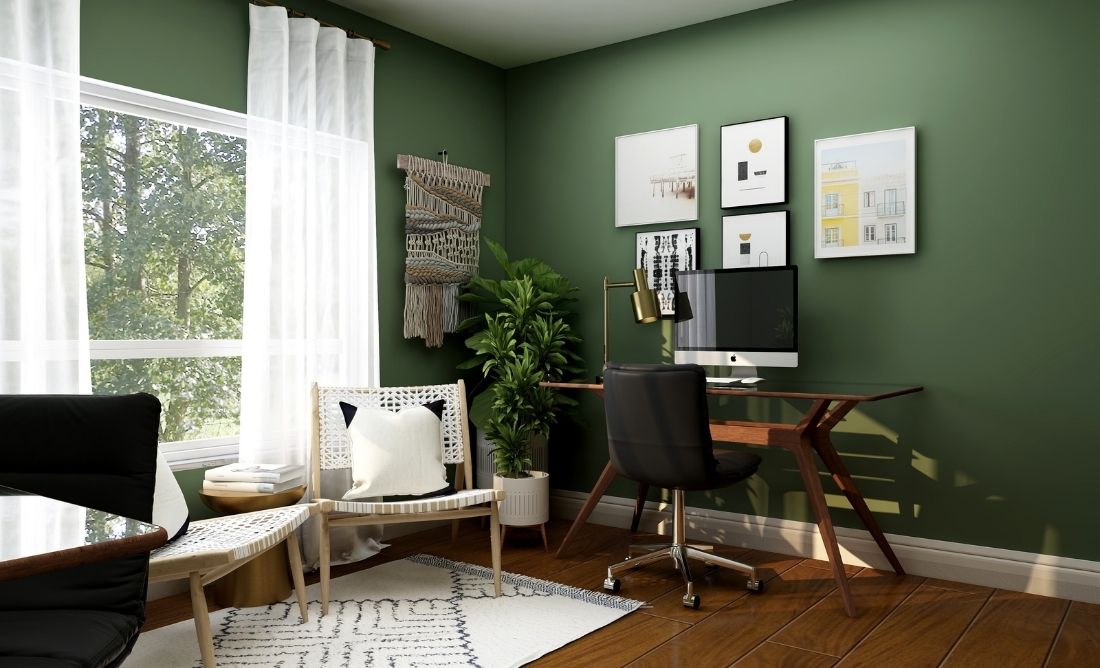
Whether you work at home occasionally or full time, you need a space where you can operate efficiently. After all, people have various distractions at home, so dedicating a space to work will help them push those distractions away. Try these expert tips for creating the ultimate home office space if you want to look forward to working in it each day.
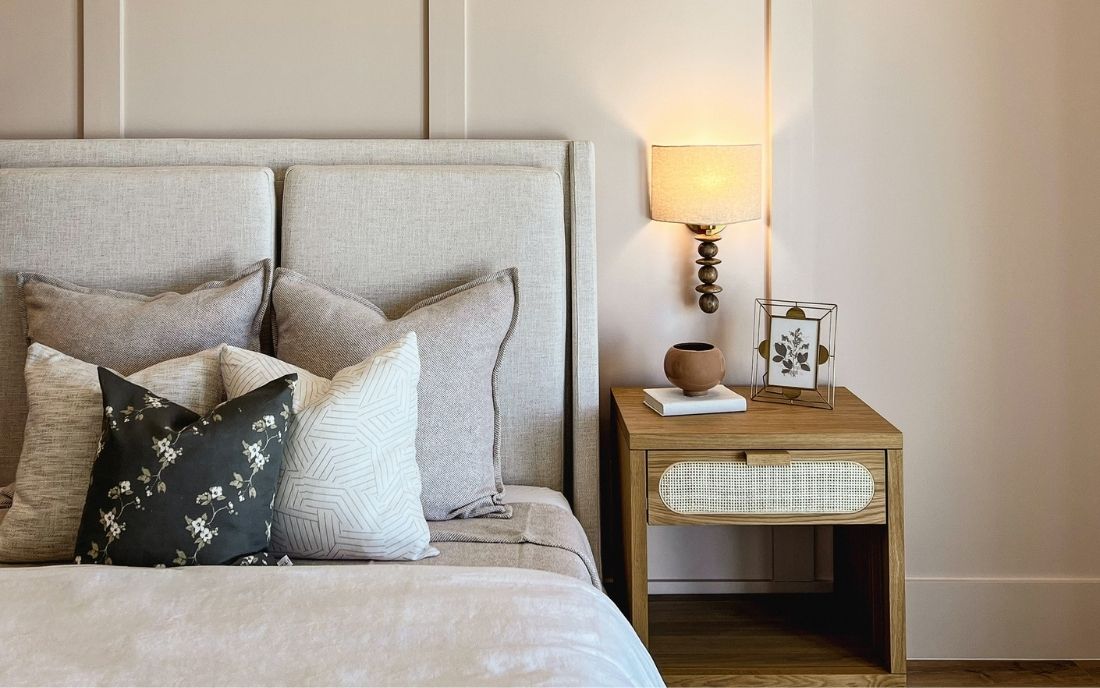
The bedroom is a space for relaxation, and furniture plays a big role in achieving that sense of relief. Understandably, not everyone is an expert in bedroom furniture, so novice mistakes can happen when shopping. Luckily, the details below will provide insight into what helps homeowners build a bedroom they’re proud to own. Let’s identify what to look for when choosing the right bedroom furniture.
Furniture shopping is an excellent opportunity to personalize your home in big ways, even if you’re only updating one room. For instance, a new dining table can have a surprising effect on your space if you consider the right factors. Read this guide to learn the key things to consider when choosing a solid wood dining table for your home.
Many homes are welcoming and wonderful. However, in some cases, a few rooms may not be as eye-catching or comfortable as the rest. How do you improve a dining room’s design, for instance, to make the area worth gathering in? Read below to find five excellent ways to create an inviting dining room space.
If you want to upgrade your living room, you have many avenues to go down. So in which direction do you want to go for your transformation? Read these great ways to upgrade your living room area to find the perfect approach for your home.
One of the most crucial steps to take when moving into your first home is furnishing it. However, there are many furniture options, so finding all the perfect items can sound intimidating to new homeowners. Similarly, it’s easy to make novice mistakes when choosing furniture, but those mistakes are avoidable. If you’re unsure how to approach this project, read the tips below to learn the ropes. Our must-know tips for furnishing your first home will help you delve into this subject with less stress and more clarity.
For many, 2020 will go down in history as the year of masks, working from home, and social distancing. However, the interior design community will remember it as the year that gave birth to cottagecore. Cottagecore is an interior design trend that embraces the simple, cozy, authentic home. It is a new iteration of ‘country style’ that celebrates the old and the new. Think handmade quilts and reclaimed wood layered with industrial light fixtures and bold wallpaper. To call it an interior design trend is ironic, as it is all about renouncing the “latest thing” and creating a home that honors the individual. Nevertheless, cottagecore is in; hello rustic reverie. If you are looking to incorporate the cottagecore aesthetic into your home, here is where to start.
Choosing the perfect sofa for your home can be a daunting task. You may be asking yourself, should I go with trendy or timeless? Do I need a sectional or a sofa? Where can I find quality furniture that will last? If you have just moved into a new Houston home, you may be itching to get this process over with quickly. However, taking time to consider this important purchase will pay off. With hundreds of Sunday naps, movie nights, and family gatherings ahead, you will want to take these things into consideration when buying a sofa.
Japandi style is the must-have interior trend that is a hybrid of Japanese and Scandinavian aesthetics. The look is minimal, functional, warm, and calming, with touches of wabi-sabi enthused imperfection. We’ve compiled some tips to help you work Japandi style into your home. But first, why are the two styles, such happy roommates?
You may not think that Japan and Scandinavia have a lot in common, but when it comes to design elements, they’re more similar than you may think. Each one’s aesthetics focuses on simplicity, natural elements, and comfort, so it’s no surprise that we’re seeing more and more designers combine the two looks together and calling it “Japandi” (aka Japanese and Scandi). Though a relatively new trend, expect to see Japandi pop up on your Instagram feeds this year.
The Elements of Japandi:
Japandi styles feature beautiful craftsmanship with a focus on quality and handmade pieces over throwaway, cheap structures.
NATURE IS KEY
The natural warmth of wood is revered in both Japanese and Danish designs. Work it into your home with key furniture, ideally keeping surface treatments to a minimum. Wood-paneled walls make for great features. Then introduce natural accents with statement houseplants, preferably in terracotta pots.
NATURAL COLORS Here is where the Japandi camp divides. Those tipping toward the Scandi expression will likely opt for a white or neutral-based palette with rich accents. Others will choose large swathes of rich color on walls and other elements. In both cases, work with natural tones like blues, greens, plums, and browns. Black is also a favorite in Japandi style rooms.
ACCESSORIZE WITH CARE The philosophies behind both nations’ design languages call for accessories that prioritize functionality over decoration. Think unglazed ceramic tableware, vases, and a few books. Lastly, combine Scandi’s homey comforts with Japanese imperfection through contrasting cushions and throws.
How Can I Decorate in Japandi Style?
If you’re a fan of minimalism and “Hygge,” chances are that you have already started to experiment with the Japandi style. To really play with this look, focus on natural materials such as unfinished woods or bamboo pieces that bring in the feeling of nature and simplistic beauty. We also recommend using muted colors with hints of pale green or bringing plants and greenery into your home to give it a sense of outdoor living.
Reducing clutter is also key to achieving the Japandi style. This design aesthetic focuses on clean lines and open spaces. But if you have an active household and struggle to find that minimalist look, we recommend trying “faux minimalism” with natural containers such as boxes and baskets, built-ins, or folding screens to hide excess items and keep your space feeling clutter-free.
To get the best of both worlds, draw on the coziness of Scandi design with warm textures and soft pieces while maintaining the elegance of Japanese decor. While both styles have a focus on the utilitarian, it’s important to maintain a zen-like sense of calm in your space.
Because Japandi design is focused on craftsmanship, it’s not meant to be disposable. Look for pieces that will stand the test of time and work with your decor for years to come. It’s a clear antidote to the one-time-use culture we have embraced for so long. Instead, focus on pieces that are sustainable and safe for our planet.
Though both Japanese and Scandi decor aren’t new, the combination of the two is sure to be a rising trend in the future.
It’s been a whole year so you’ve likely gotten very familiar with the interior of your home. It’s a good idea to fill it with positivity. Enter feng shui, the ancient Chinese practice that charts the balance of energy, or chi, via scientific calculations. The goal of feng shui is to invite positive chi into your home so that your life feels both energized and balanced, and it’s a relatively simple way to improve the vibes of your space.
While The Home Source Team is no expert, and the calculations really depend on your exact space, there are general guidelines. We’re here to inspire some good energy for making your at-home time as pleasant as possible.
Feng Shui Elements
The five important elements of feng shui are wood, metal, earth, water, and fire.
Wood Symbolizes growth and vitality. Placing wood items in your space encourages personal growth. Plants and wooden furniture are easy ways to add this element.
Metal Symbolizes logic and intelligence. It supports knowledge and mental sharpness. Add this element to your space with metal frames or sculptures.
Earth Symbolizes stability and balance. It helps to ground and stabilize. Bring the earth element inside with rocks, crystals, and landscape imagery.
Water Symbolizes wisdom and serenity. It helps with clarity and relaxation. Mirrors, reflective surfaces, and aquariums are ways to add the water element to your space.
Fire Symbolizes passion and energy. It’s representative of transformation, expansion, and volatility. Use candles and red objects to enhance your space with fire.
Define the Energy Map of Your Home
The Bagua or energy map of your home will serve as a blueprint, or a clear map as to what colors are used in specific rooms, what images are best in your home, how to position the furniture for best energy flow, etc. Knowing the Bagua is crucial to successful feng shui decorating, so be sure not to ignore this step.
Traditional Bagua Map
General Feng Shui Decorating Tips
1. Make a good impression with your front door. In order to attract energy into your home, you need a welcoming front door.
2. Clear the clutter. Too much mess prevents the energy from flowing and also clutters your brain. A clean space gives you room to breathe and to clear your head.
3. Make use of crystals. Use rose quartz for love, tourmaline for protection, or citrine for healing and wealth.
4. Make sure air and light can get in. Since air is a key component to the very meaning of feng shui, it must be allowed in. A combination of natural light and air will bring in good energy and rejuvenation.
5. Place the bed and desk towards the doorways. Facing the entrance increases power and minimizes vulnerability.
6. Add a natural element. Decorate each room with a houseplant. Not only do they improve energy, but they also increase health and naturally purify the air.
Feng Shui Decorating Tips By Room
If you prefer to apply feng shui principles to a room rather than a whole house, here are some things to keep in mind.
Living Room
When designing your living room, begin with the largest piece of furniture you have (typically, a sofa). Make sure it faces a door or opening and is placed against a wall, ideally the one furthest from the entrance, and allow for a few inches of breathing room between.
If you have additional seating like a lounge chair, choose where to put it based on what is conducive for conversation. Try not to cramp the space. The goal is to create energy flow.
When deciding on a coffee table, try to avoid harsh angles. If a circle or oval feels too contrasting to the rest of your furniture, just contrast the shapes in the smaller elements as this creates better balance.
Use sheer window coverings to allow light in but prevent energy from escaping. If you prefer completely uncovered windows, try placing a plant nearby.
Adding red elements will help invigorate the room and help to energize.
Bedroom
Similar to the living room, start with your bed and place it far away from the doorway, but not directly facing it. Try to avoid having too many electrical components close to your sleeping space.
If possible, avoid putting a television in your private space. This often becomes the focal point of the room, which takes away from the calming energy.
Combine masculine and feminine details to make sure both parties are represented and a balance is established. If you have a metal or wooden bed frame, choose soft-colored linens.
Fill your bedroom with cozy material to invite restful, calming energy. Using hues in green and blue can add to this type of feeling. Clearing out whatever is under your bed also helps energy flow.
Home Office
The biggest tip for home office decor is removing the clutter. As much as 50 percent of your desk should be clear, which means it’s time to hide those cords!
Similar to the layout in the other rooms, position your desk facing the door because this gives you a position of power, which is important for your place of work or productivity.
Decorate this space with a few personal objects like a family photo and incorporate greenery as the energy from plants will help you stay focused. To invigorate the area, add red details.
In terms of color, use gentle yellows and greens to calm and center. Add earth tones for stability and flowers or a motto to remind you of what you need to accomplish.