

Description
There is a difference between adding arms to a bench and designing the entire bench as one continuous gesture.
The Wraparound Teak Wood Bench takes the second approach.
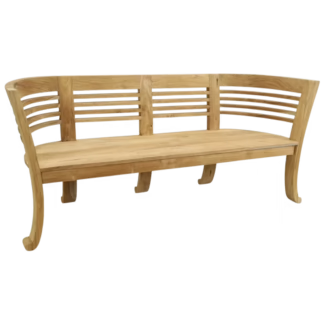
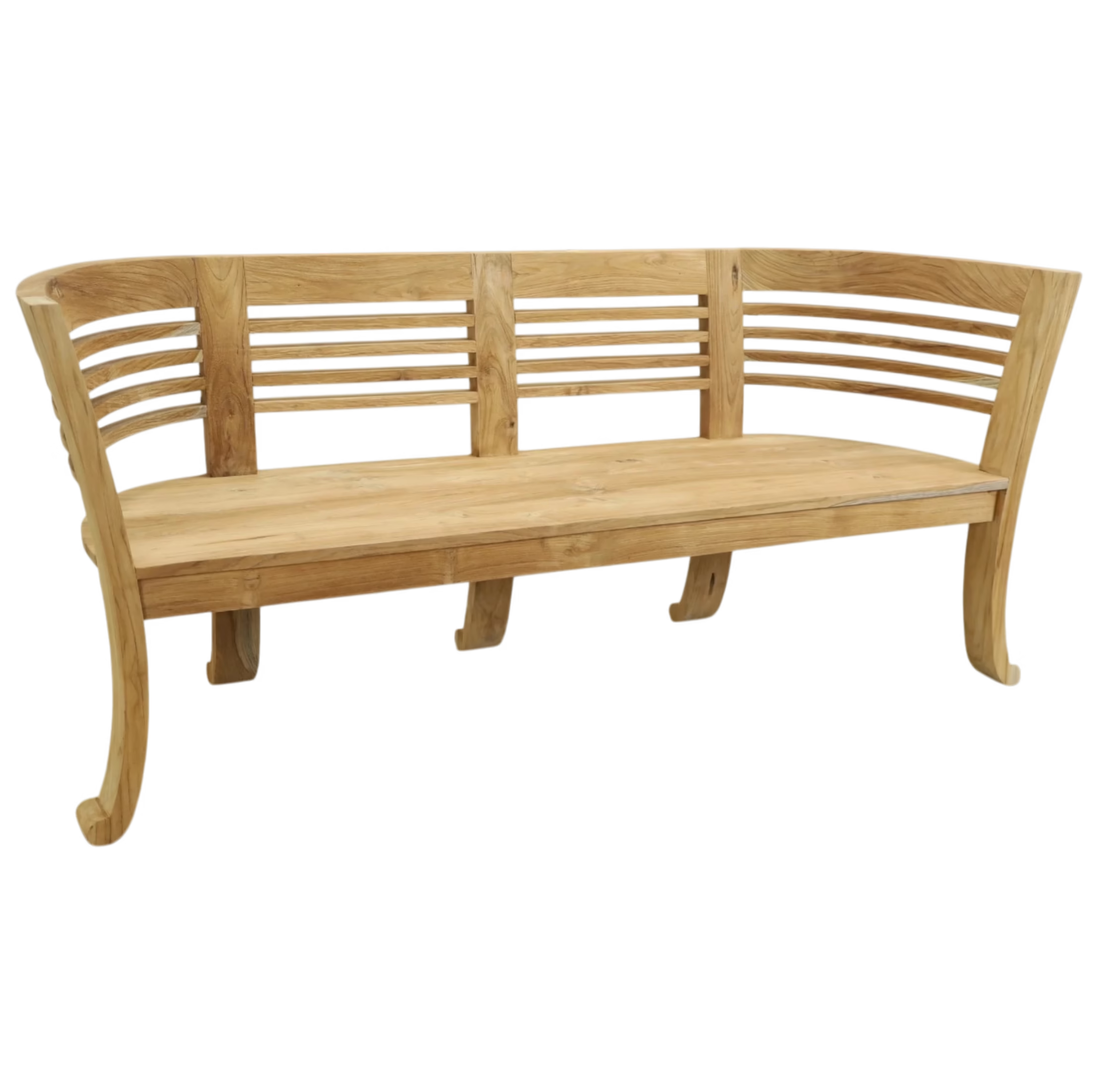
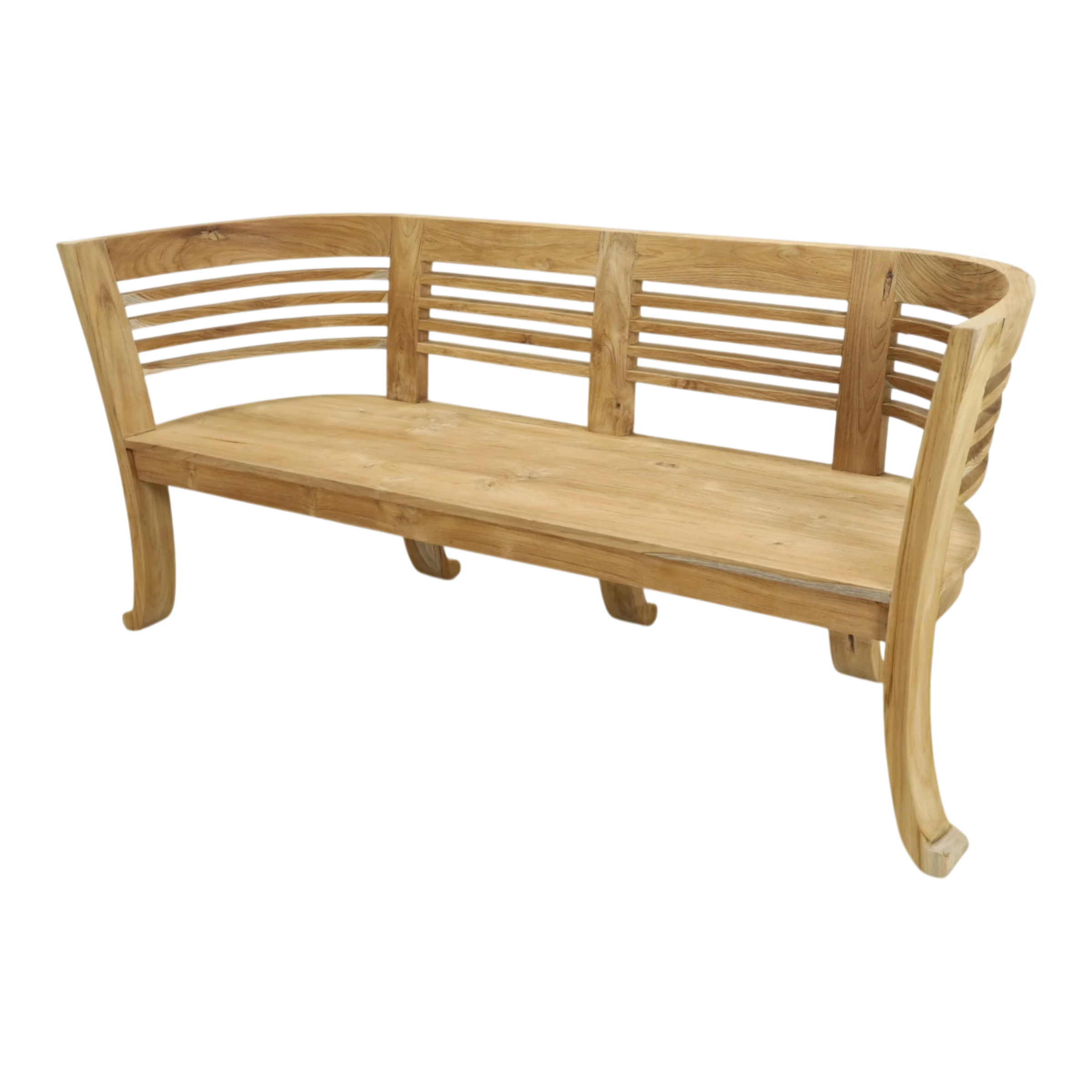
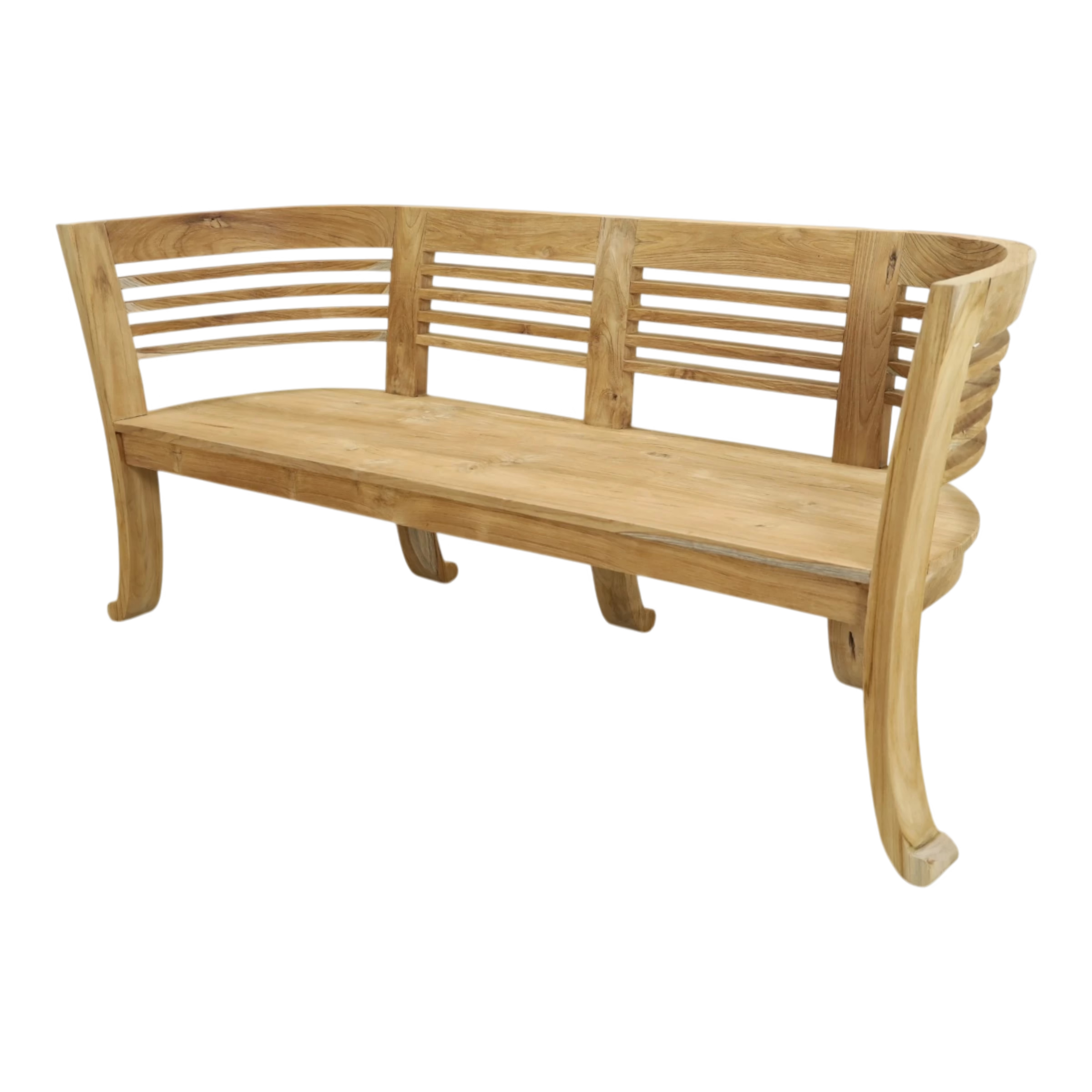
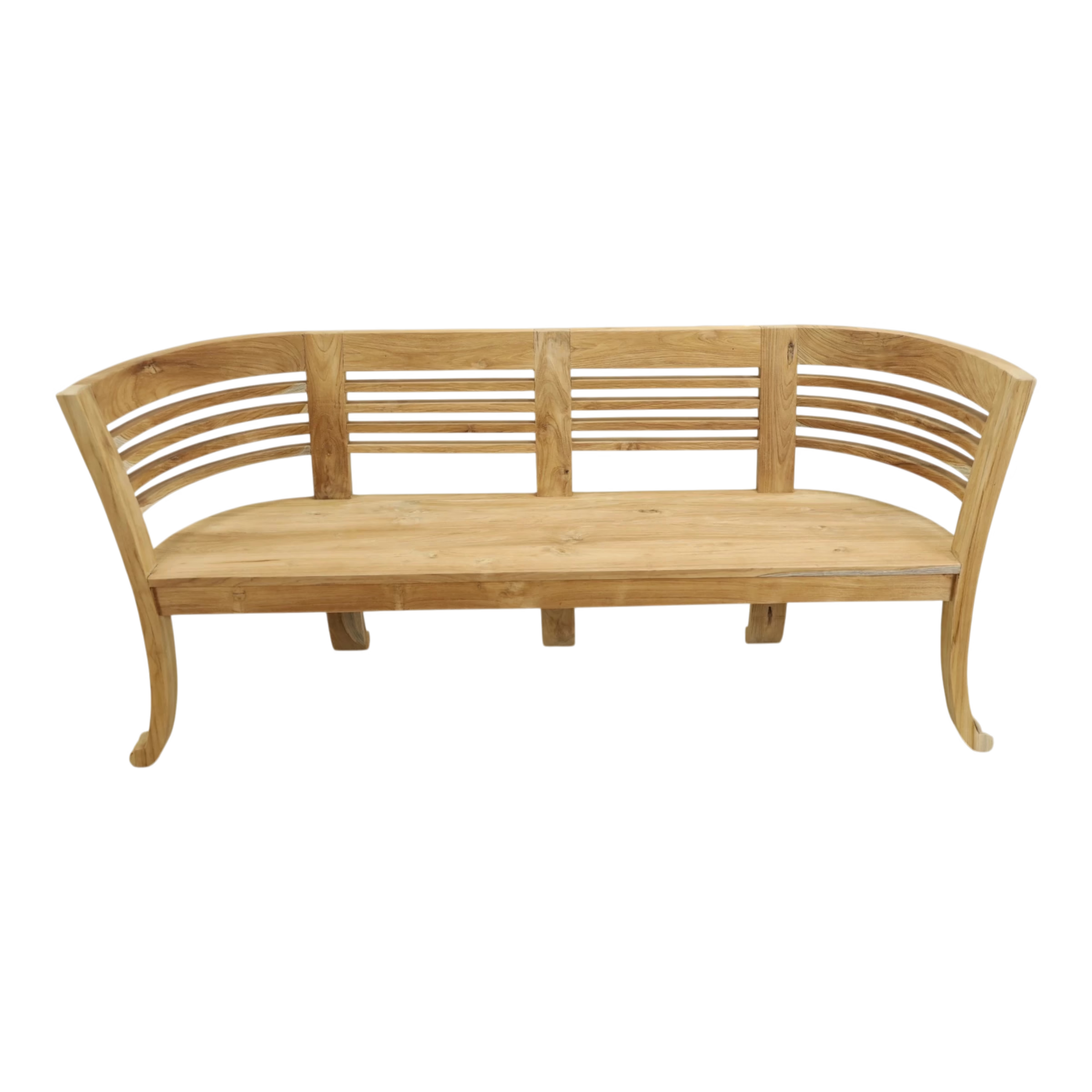
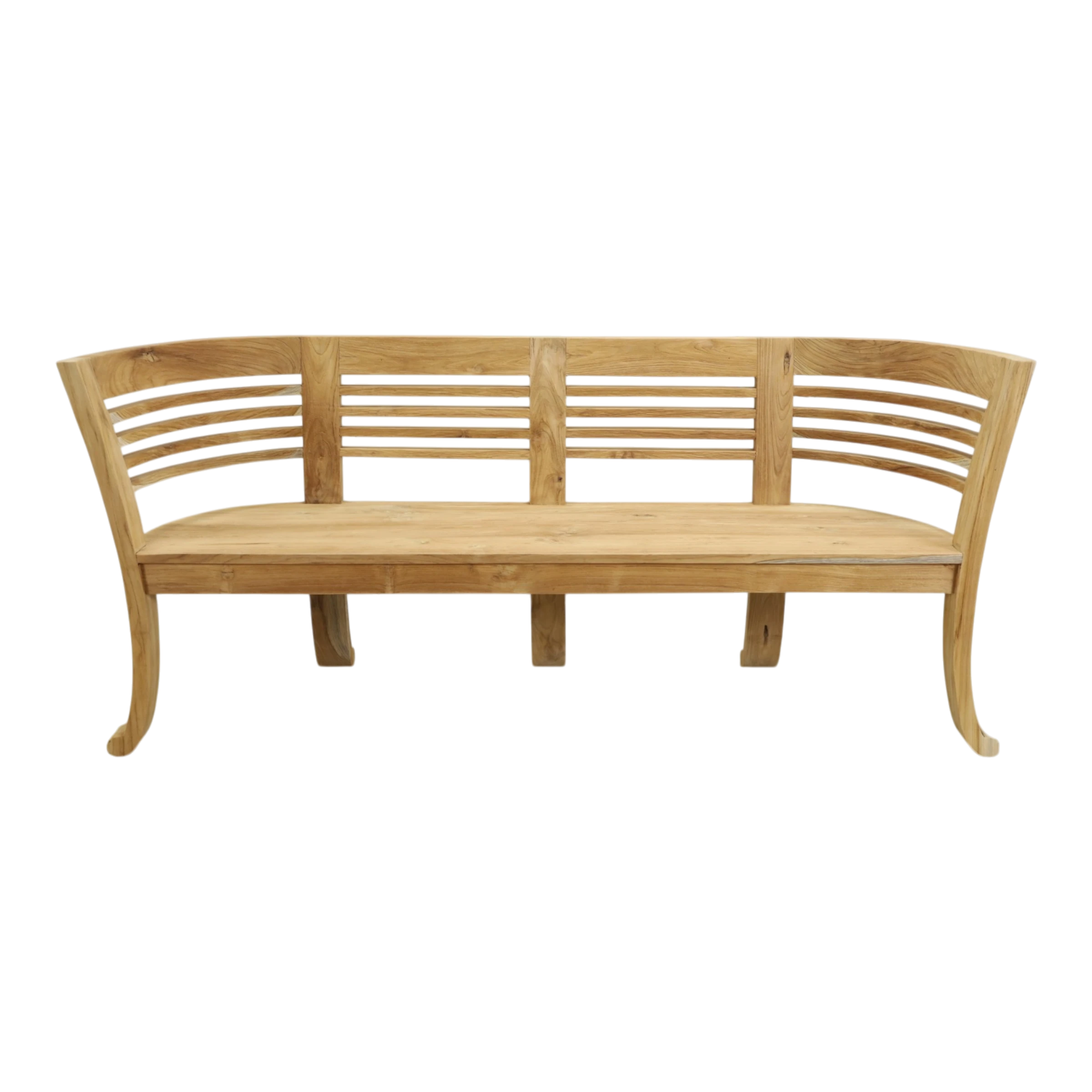
Viewed from the front, its broad teak seat establishes a simple horizontal foundation. Above it, narrow wood slats travel across the back before bending around both ends. Rather than stopping abruptly at conventional arm posts, the back seems to continue its path around the sitter.
That curve is the defining feature.
Look closely at the ends and the construction becomes particularly interesting. The upper rail follows the same rounded trajectory as the horizontal slats beneath it, while substantial vertical members interrupt the long sweep at measured intervals. The combination keeps the bench visually open without allowing its substantial width to feel fragile.
The solid seat creates a deliberate contrast. Below, the wood reads as broad and grounded. Above, light moves through the spaces between the rails.
That relationship—solid below, open above, enclosed at the ends—gives the bench much of its visual balance.
Designed to Be Seen in More Than One Direction
Many benches are effectively one-sided objects. Their fronts matter; their backs are meant to disappear against a wall.
This one behaves differently.
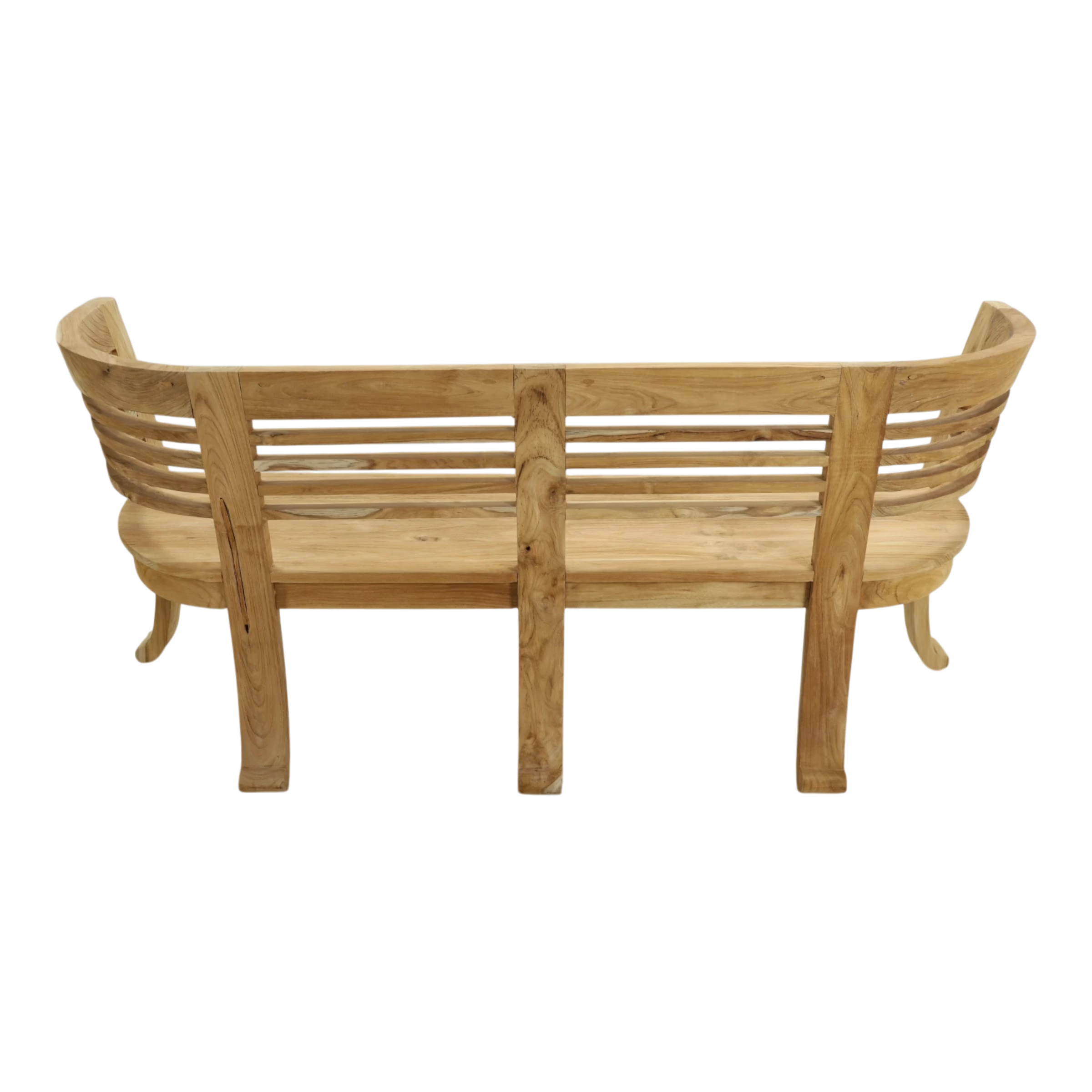
Move behind the Solid Teak Wood Bench and the same horizontal rhythm remains visible. The long rails, vertical supports and curved end sections create an architectural rear elevation rather than an unfinished secondary surface.
That makes the bench particularly useful in spaces where furniture is exposed from several viewpoints: a large entry, covered terrace, open living area, sunroom or other setting where seating may help define a zone rather than simply line a wall.
The wraparound form also softens the visual length of the piece. A completely straight bench can emphasize width. Here, the ends gently turn inward, drawing the eye back toward the seat.
Teak as Part of the Design
The bench is made from solid teak, and the relatively restrained finish allows the wood itself to remain visible.
Across the seat, rails and larger structural members, natural changes in grain direction and tone keep the broad surfaces from appearing visually flat. Individual boards can show their own character rather than being disguised beneath an opaque finish.
Those differences are part of real wood.
The result is especially effective on a piece this large because the eye can read the bench at two scales: first as a strong curved silhouette from across the room, and then as a collection of individual grain patterns when viewed more closely.
Horizontal Rhythm and Negative Space
One of the quieter details is the repetition of the back rails.
A single heavy panel would have made the bench feel far more enclosed. Instead, the narrow horizontal members introduce negative space. The openings reduce visual mass while emphasizing the direction of the curve.
The vertical supports perform the opposite role. They break the horizontal movement into sections and visually connect the upper back to the seat below.
This is a useful principle in furniture design: repetition creates movement, while interruption creates structure.
The bench uses both.
A Bench with Architectural Presence
The curved front legs continue the design language without competing with the back. Their slight outward movement gives the base a lighter appearance than squared block legs would have created.
From the side, the bench reveals something that is easy to miss from the front: the seat itself projects into the rounded end sections while the back rails sweep around it. The profile therefore feels more like a shallow enclosure than a conventional straight bench with attached arms.
That distinction gives the piece its character.
The Wraparound Teak Wood Bench is substantial enough to establish a seating area on its own, yet the open back prevents its scale from becoming visually heavy.
It is a bench designed not only around the person sitting in it, but around the space surrounding it.
DIMENSIONS & SPECIFICATIONS
Overall Width: 70″
Material: Teak wood
Country of Origin: Indonesia
Use: Indoor or outdoor
Design: Curved wraparound bench
Back: Open horizontal slat construction
Seat: Broad solid wood seat
Arms: Integrated into the curved wraparound back
Finish: Natural wood appearance
Construction Character: Visible natural wood grain and tonal variation
Assembly: No assembly required
WHY THIS SIZE WORKS
At 70″ wide, this bench has enough visual length to function as meaningful architectural seating rather than a small occasional bench.
Its width makes it especially well suited to a larger entry wall, covered patio, sunroom, spacious living area or other location where a narrow accent bench could feel underscaled.
For visual breathing room, consider allowing approximately 4–8 inches of open wall or surrounding space beyond each end where the room permits. This is a styling recommendation rather than a required installation clearance.
Because the back curves around the ends, also consider the full verified depth when planning placement. The bench should not be evaluated by width alone.
STYLING SUGGESTIONS
The warmth of natural teak makes this bench particularly effective against materials with a quieter surface: plaster, limestone, concrete, painted brick or broad neutral walls. The contrast allows the curved silhouette and repeated wood rails to become more noticeable.
In an entry, keep the surrounding composition restrained. A large-scale artwork, woven wall piece or sculptural vessel can provide enough vertical balance without competing with the bench.
For indoor living spaces, linen, wool, leather and handwoven textiles complement the natural grain without making the arrangement feel overly rustic.
In an outdoor setting, the curved form works naturally with landscaping and architecture because it has no visually abrupt end. Leave enough open space around the ends to appreciate the wraparound construction rather than crowding the bench tightly between objects.
If cushions or pillows are introduced, use them selectively. The horizontal rails and curved ends are important design features and should remain visible.
WHY HOME SOURCE FURNITURE
Home Source Furniture has been a Houston family-owned furniture destination since 1993, with a collection built around distinctive materials, craftsmanship and pieces that offer something beyond conventional mass-produced furniture.
Our selection includes teak furniture, reclaimed wood, architectural elements, carved furniture, stone, petrified wood and globally inspired designs chosen for their individual material character and room presence.
Natural wood furniture can vary in grain, tone and surface character. Those differences are part of what gives each piece its individuality and are best appreciated in person whenever possible.
Local delivery is available throughout the greater Houston area, with nationwide shipping options available for customers outside Texas.
EXPERIENCE IT IN PERSON
See the Curved Wraparound Teak Wood Bench in person at Home Source Furniture in Houston and experience its scale, teak grain, curved ends and open slatted construction from multiple angles.
Post Oak Showroom
1705 Post Oak Blvd.
Houston, Texas
Warehouse Showroom
1055 West Sam Houston Parkway North #113
Houston, TX 77043
Showroom Hours
Monday–Saturday: 10 AM–6 PM
Sunday: 12 PM–6 PM
Inventory changes regularly, and limited-quantity pieces may not remain available.
FREQUENTLY ASKED QUESTIONS
What is the Curved Wraparound Teak Wood Bench made from?
The bench is made from solid teak wood. Its natural finish keeps the wood grain and tonal variation visible throughout the seat, rails and structural elements.
Where is the bench made?
The bench is made in Indonesia.
What makes this teak bench different from a conventional bench?
Its defining feature is the back construction. Horizontal wood rails extend across the rear of the bench and curve continuously around both ends, forming an integrated wraparound profile rather than terminating at separate conventional arms.
Can the Wraparound Teak Wood Bench be used outdoors?
Yes. This bench is intended for indoor or outdoor use. As with natural wood furniture, placement and exposure can affect how the material ages over time.
Is this bench only for outdoor spaces?
No. Its natural teak construction and architectural form also work well indoors in entries, sunrooms, living areas and other spaces where substantial wood seating is appropriate.
How wide is the bench?
The bench measures 70″ wide.
How much space should I allow around it?
Beyond confirming that the bench itself fits the available floor area, allowing roughly 4–8 inches of additional visual space beyond each end can help the curved profile read clearly. This is a styling guideline rather than a required clearance.
Can the back of the bench remain visible?
Yes. The horizontal slat pattern continues across the rear, so the bench can work in locations where the back is visible rather than being limited to wall placement.
How many people can sit on the bench?
Seating capacity should be based on the verified usable seat width rather than overall width alone. Because that interior seat measurement has not been confirmed, we do not assign an unsupported seating capacity.
Will every teak bench have exactly the same grain?
Natural wood varies. Grain direction, tonal variation and other material characteristics can differ from piece to piece.
Should teak be oiled?
Care should depend on the existing finish and the appearance you want to maintain. Avoid automatically applying oil, cleaners or refinishing products without first confirming that they are appropriate for the bench’s finish.