




Description
Some furniture occupies a room. This teak corner bench helps define one.
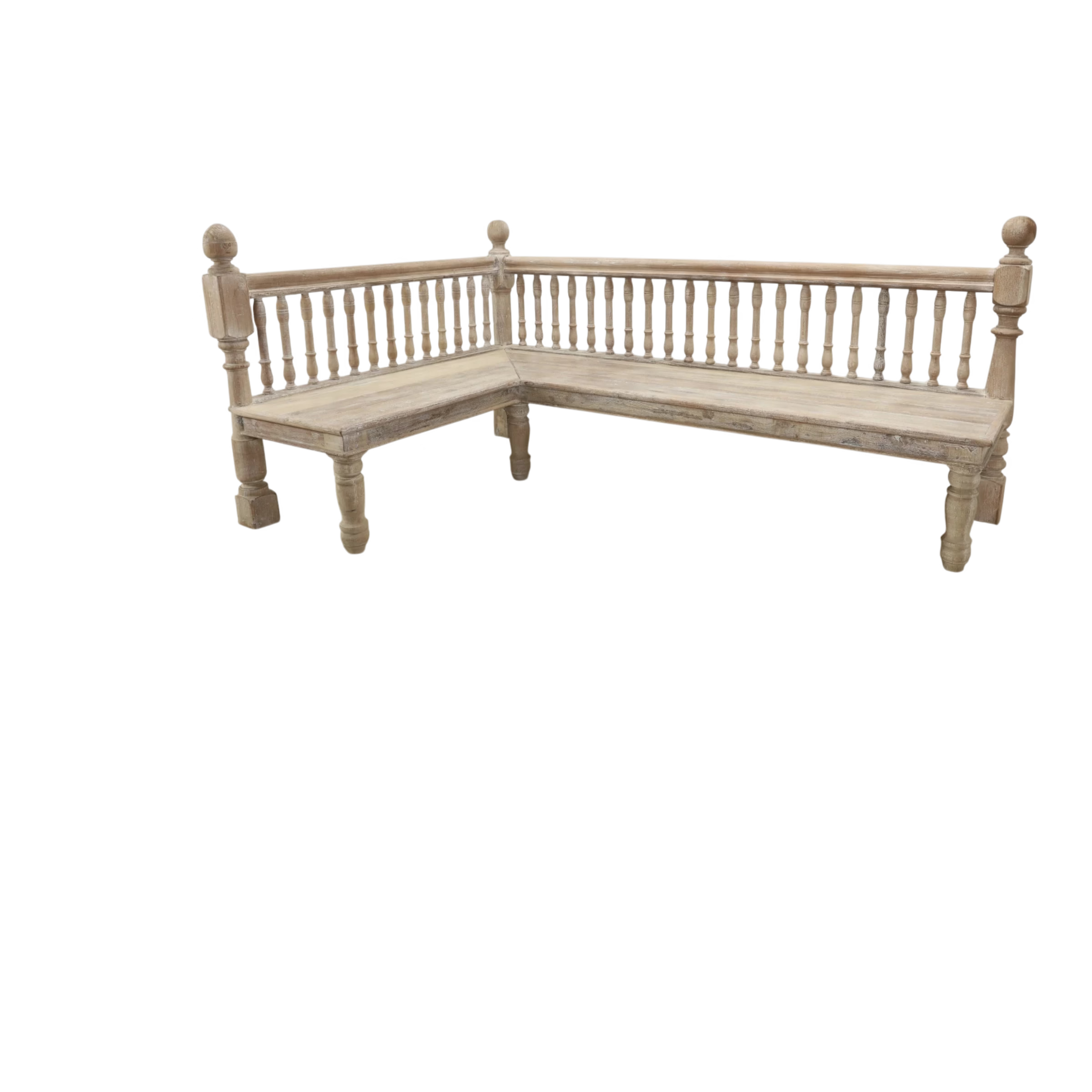
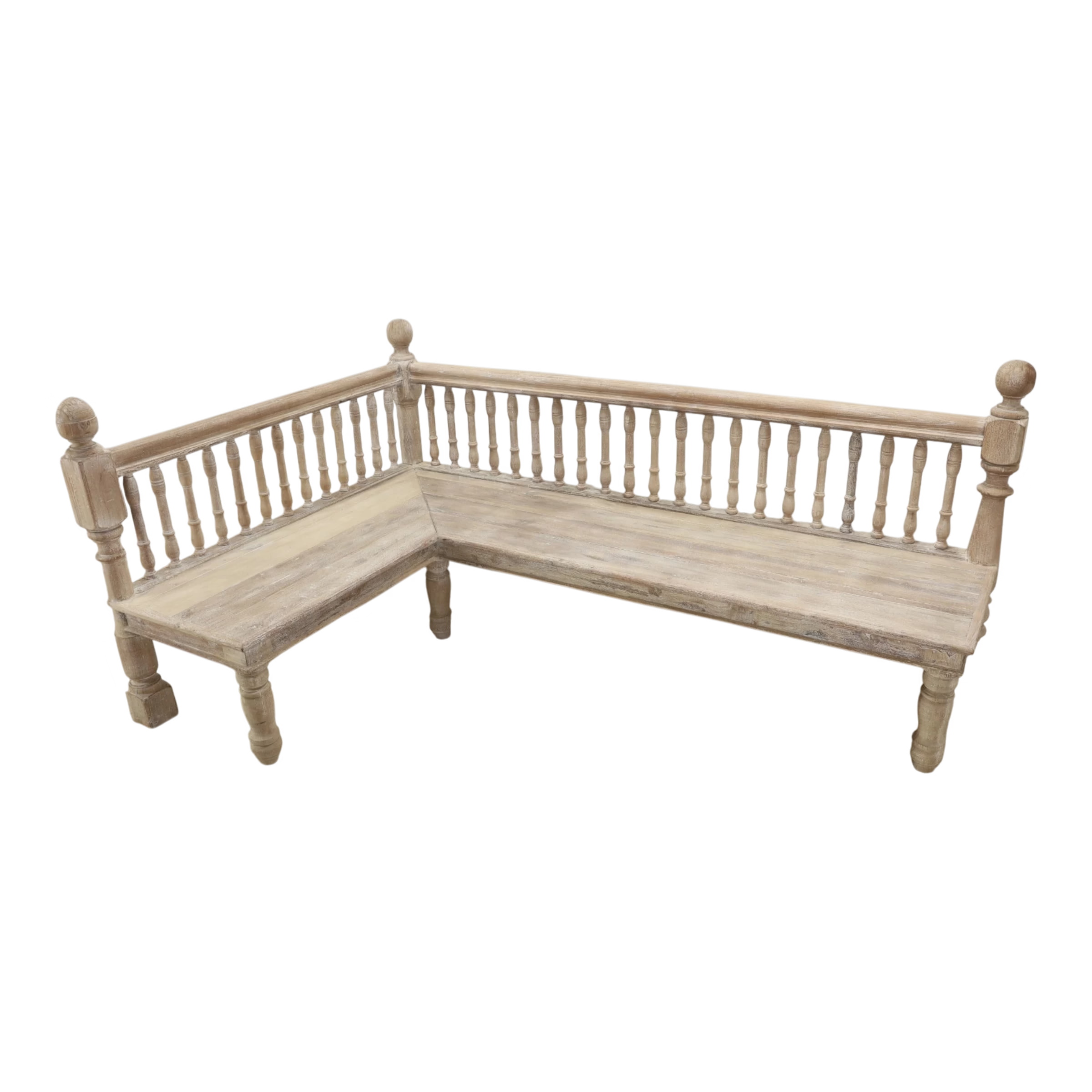
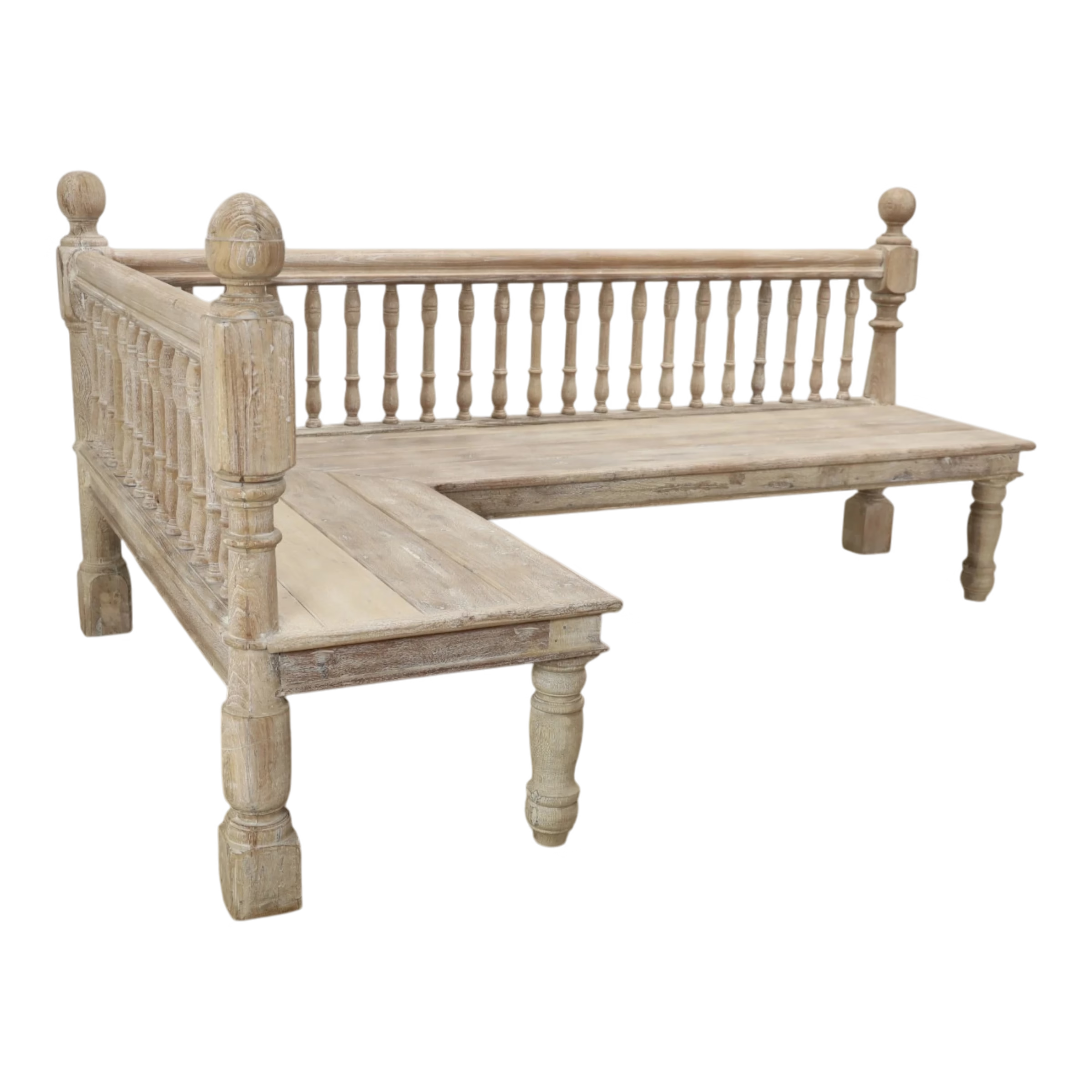
At 96″W × 63″D × 44″H, the bench has the scale and architectural presence to turn an unused corner into a deliberate seating area. Its L-shaped configuration creates two connected runs of seating, while the open spindle construction keeps a piece of this size from feeling visually closed or excessively heavy.
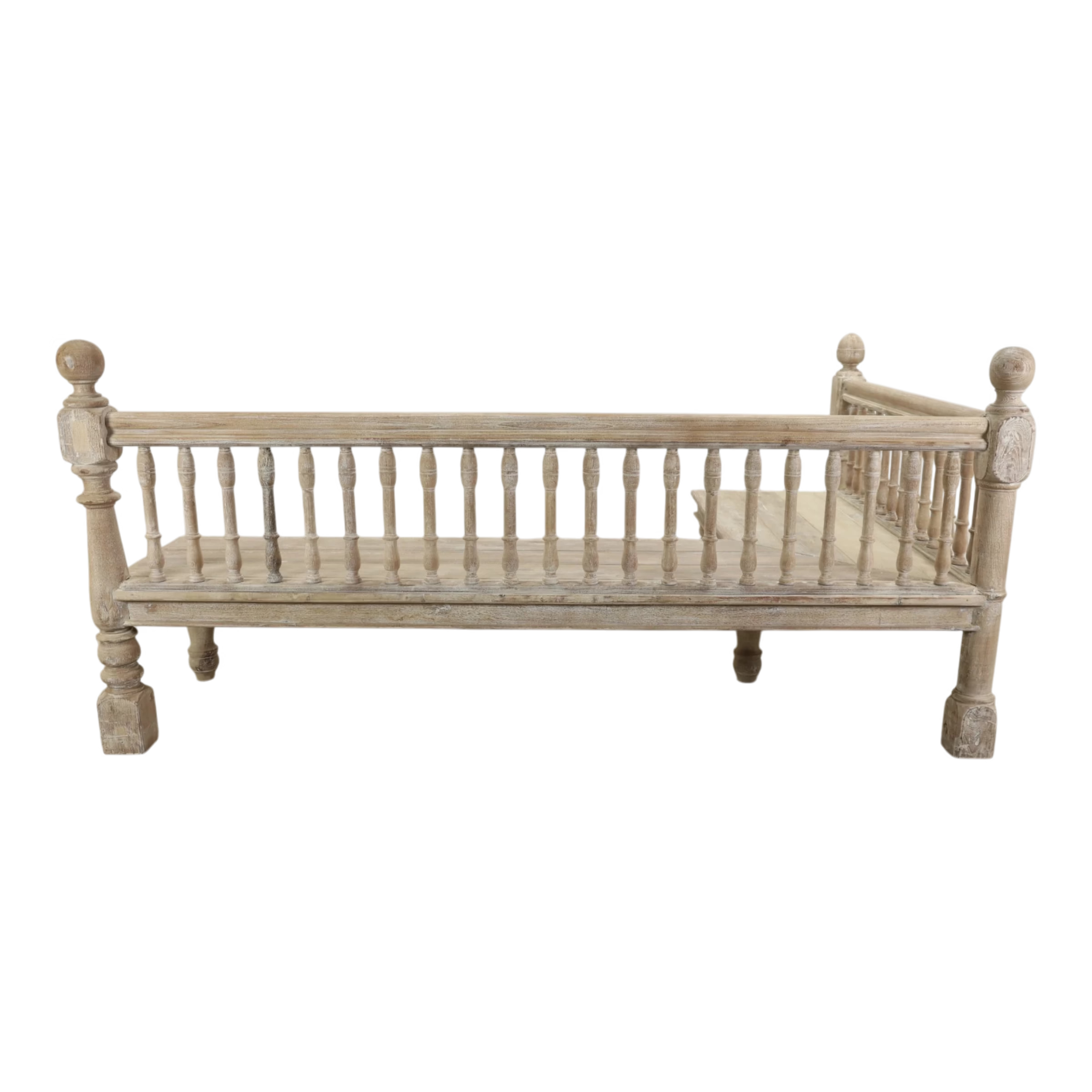
Look first at the posts. They are deliberately more substantial than the smaller turned spindles between them, creating a clear hierarchy in the design. Rounded finials crown the principal posts, while shaped lower sections and visible turning give the structure a furniture-like interpretation of traditional balustrade construction.
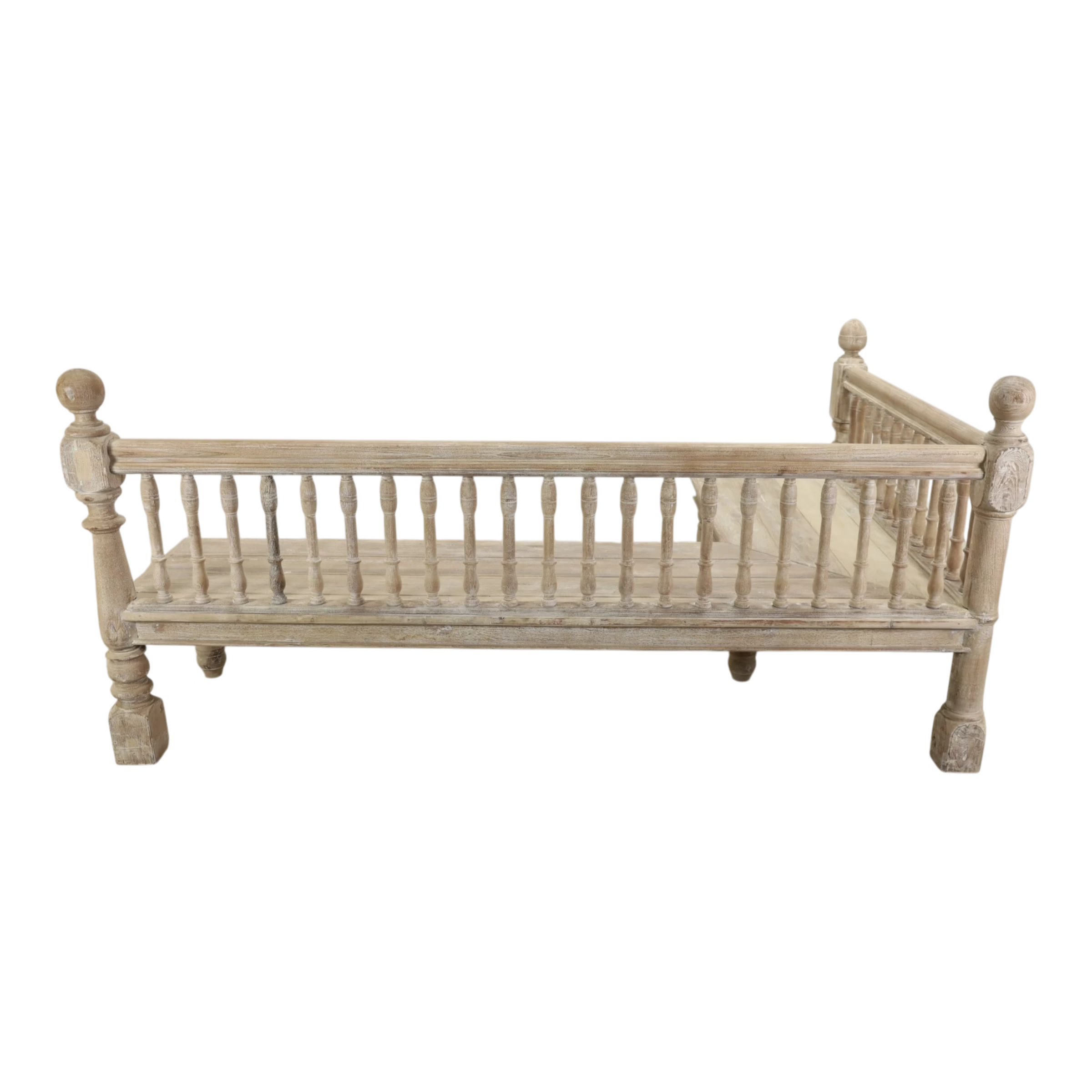
Between those larger architectural elements runs a long rhythm of closely spaced vertical spindles. Their repetition gives the teak corner bench texture without relying on upholstery, applied ornament or a complicated silhouette. Light passes between them, allowing the wall behind the bench to remain part of the composition.
That negative space matters. Large furniture often gains visual weight simply because so much of its surface is solid. Here, the open back and return create a different effect: the bench establishes a strong perimeter without creating the visual mass of a fully paneled banquette.
The seating surfaces are comparatively simple. Broad wood planks form the long section and adjoining return, allowing the turned architecture to remain the visual focus. The straightforward horizontal planes also create a useful contrast with the many vertical spindles surrounding them.
Viewed from an angle, the corner becomes one of the most important details. The two sections meet to form a true L-shaped seating footprint rather than the appearance of two unrelated benches pushed together. That continuity is what allows the piece to function as architectural furniture.
The pale, softly weathered appearance gives the teak a quieter presence than a dark or highly polished finish would. Grain variation, tonal shifts and visible surface character remain part of the visual experience rather than being hidden beneath an opaque coating.
A useful lesson in furniture scale can be seen here: a large piece does not always need to look massive. Proportion, repetition and negative space can create physical presence while still allowing a room to breathe. The substantial corner posts establish the major architecture; the smaller spindles provide cadence and visual transparency.
Functionally, this teak corner bench offers an alternative to permanent built-in seating. It can establish the effect of a corner banquette or conversation area without becoming part of the architecture itself. That makes it especially compelling in dining rooms, breakfast areas, large kitchens, conservatories, covered interior transition spaces or expansive living areas where furniture is being used to organize an open floor plan.
Its 96″W × 63″D × 44″H dimensions also make it something to plan around rather than add as an afterthought. The bench can anchor a substantial corner and create a defined seating zone without requiring several visually unrelated individual chairs.
From across the room, the first impression is architectural. Up close, the attraction becomes more tactile: turned spindles, pronounced finials, plank construction, visible teak grain and the gentle variation of the light-toned surface.
The result is a teak corner bench that sits between furniture and interior architecture—a functional place to gather, but also a room-defining structure with enough character to stand on its own.
DIMENSIONS & SPECIFICATIONS
Overall Dimensions: 96″W × 63″D × 44″H
Product Type: L-Shaped Corner Bench
Material: Teak Wood
Country of Origin: India
Configuration: Corner / L-Shaped
Back Design: Open Turned-Spindle Back
Post Design: Substantial Turned Posts with Rounded Finials
Seat: Wood Plank Seating Surface
Finish Appearance: Pale, softly weathered natural wood tone
Style: Architectural / Global / Transitional / Traditional-Inspired
Upholstery: None
Storage: None
Natural Material Characteristics
Because this teak corner bench is made from natural wood, variations in grain, tone, knots, surface texture and other organic characteristics may be visible. These variations contribute to the individual character of the piece.
WHY THIS SIZE WORKS
At 96″W × 63″D × 44″H, this is intentionally substantial furniture.
The 96-inch width equals 8 feet, giving the long section enough presence to define a major wall or seating zone. The 63-inch depth creates the perpendicular return that gives the bench its L-shaped configuration, while the 44-inch overall height allows the turned-spindle back and finials to remain visually prominent.
Before ordering, measure the full 96″W × 63″D floor area and confirm the intended orientation within the room.
For comfortable circulation around the teak corner bench, additional open floor space should be considered beyond the bench’s footprint. Where possible, approximately 30–36 inches of general walking clearance around adjacent furniture can make the overall arrangement easier to navigate.
If the bench will be paired with a dining or breakfast table, also account for the table footprint and access path rather than measuring for the bench alone.
Because exact seat height and seat depth have not been verified here, table-height recommendations should be confirmed from the physical piece before planning a precise dining arrangement.
STYLING SUGGESTIONS
The architectural design gives this teak corner bench considerably more flexibility than a conventional rustic bench.
In a dining area, pair it with a simple round, oval or rectangular table that does not compete with the spindle work. A cleaner table silhouette allows the bench to remain the architectural focal point.
In a large kitchen or breakfast room, use it to establish the feeling of built-in banquette seating without permanently altering the room. Neutral seat cushions can be added later if desired while allowing the turned wood back to remain visible.
For a more collected interior, combine the pale teak with handmade ceramics, woven textiles, aged metals and natural stone. The restrained palette lets the object’s construction provide the visual interest.
In transitional rooms, contrast the teak corner bench with more contemporary elements: plaster walls, simple lighting, abstract artwork or a streamlined table. The juxtaposition prevents the piece from reading as overly traditional.
Avoid surrounding it with heavily carved furniture on every side. Its many spindles and substantial finials already provide enough architectural detail. Simpler neighboring pieces create stronger visual balance.
WHY HOME SOURCE FURNITURE
Home Source Furniture has specialized in distinctive furniture and globally influenced interiors in Houston since 1993.
Pieces such as this teak corner bench represent an important part of what makes our assortment different: substantial furniture with unusual scale, material character and architectural presence that is difficult to find in conventional furniture stores.
We select furniture not only for how it looks in isolation, but for what it can contribute to a room. This bench can solve a practical seating need while simultaneously becoming a defining architectural feature within the interior.
Inventory is limited and changes regularly, particularly with distinctive imported pieces.
Local delivery is available throughout the greater Houston area, with nationwide shipping options available for customers outside Texas.
EXPERIENCE IT IN PERSON
Furniture at this scale is best understood in person.
Seeing the Architectural Turned-Spindle Teak Corner Bench firsthand allows you to appreciate the relationship between its 96-inch long section, 63-inch depth, spindle spacing, substantial corner posts and 44-inch overall height.
You can also inspect the natural teak grain, surface variation and pale weathered appearance before deciding how the piece will work in your room.
Home Source Furniture — Warehouse Showroom
1055 West Sam Houston Parkway North #113
Houston, TX 77043
Monday–Saturday: 10 AM–6 PM
Sunday: 12 PM–6 PM
FREQUENTLY ASKED QUESTIONS
What are the dimensions of the teak corner bench?
The overall dimensions are 96″W × 63″D × 44″H. Because the bench has an L-shaped configuration, measure the complete footprint of the intended corner rather than considering the width alone.
What is the bench made from?
The bench is made from teak wood.
Where is the bench made?
The bench is made in India.
Is this a straight bench or a corner bench?
It is a true L-shaped teak corner bench, with a long seating section connected to a perpendicular return.
Does the bench have an upholstered seat?
No. The seating surfaces are wood. Customers who prefer additional softness could potentially use removable cushions while preserving the visible spindle architecture.
What makes the design architectural?
The bench uses substantial vertical posts, rounded finials, repeating turned spindles and horizontal rails in a composition reminiscent of traditional wood balustrades. These details give it more structural presence than a conventional backless bench.
Can this bench replace built-in banquette seating?
It can create a similar room-defining effect while remaining freestanding. Its L-shaped footprint makes it particularly useful for forming a dedicated corner seating area without permanent construction.
Is every teak bench exactly identical?
Natural wood can show differences in grain, coloration and surface character. These variations are normal and contribute to the individuality of each piece.
Can I use this bench outdoors?
Yes, teak wood is a very durable wood that can be used outdoors.
How much room should I allow around it?
Start with the bench’s 96″W × 63″D footprint, then allow additional room for circulation and any table or accompanying furniture. Approximately 30–36 inches of open circulation space is useful where the room permits.
Does the bench require assembly?
No, the bench comes completely assembled.