
Description
Some furniture is designed to suggest history. The Heritage Reclaimed Wood Antique Door Sideboard begins with materials that already have one.
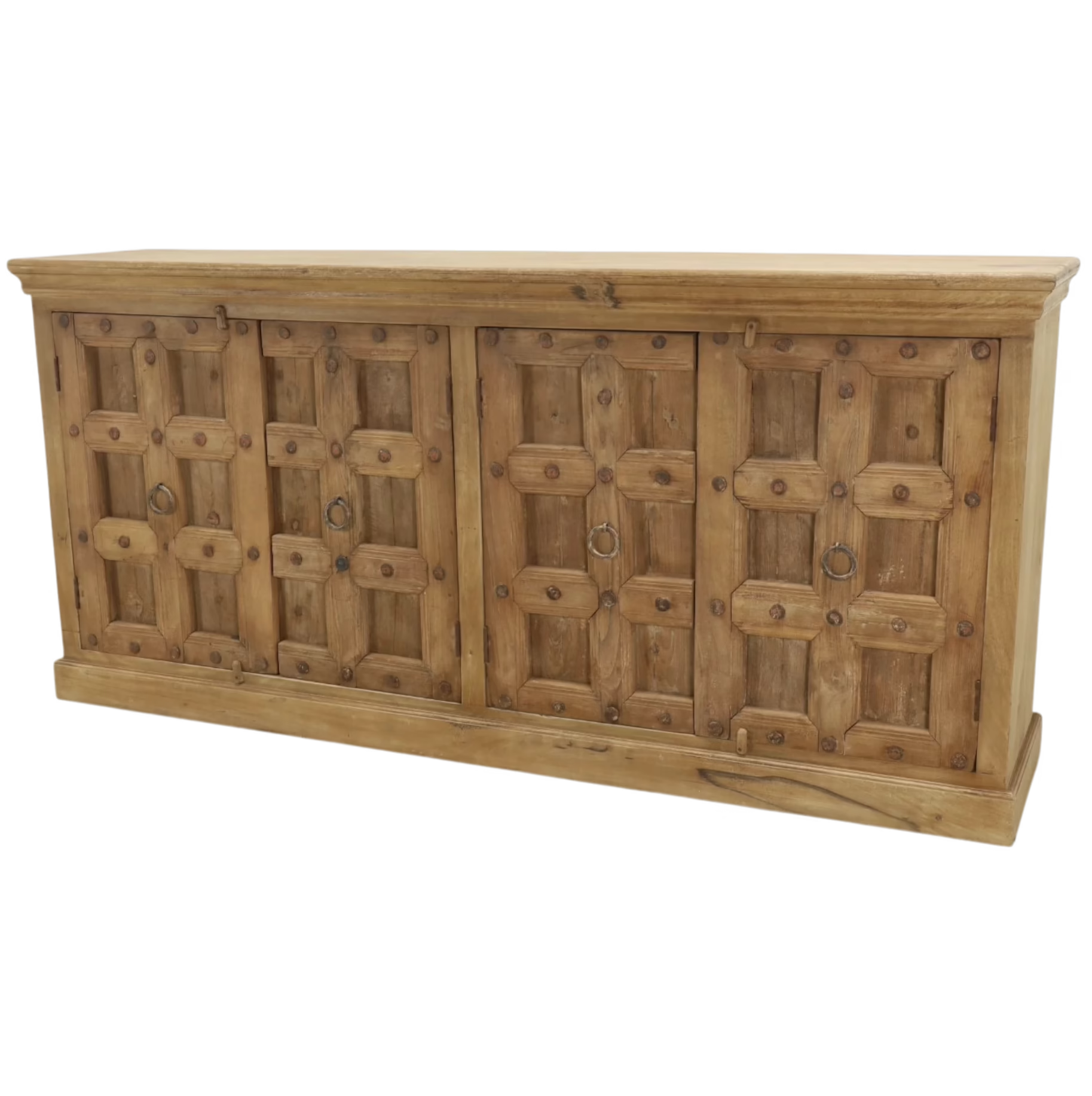
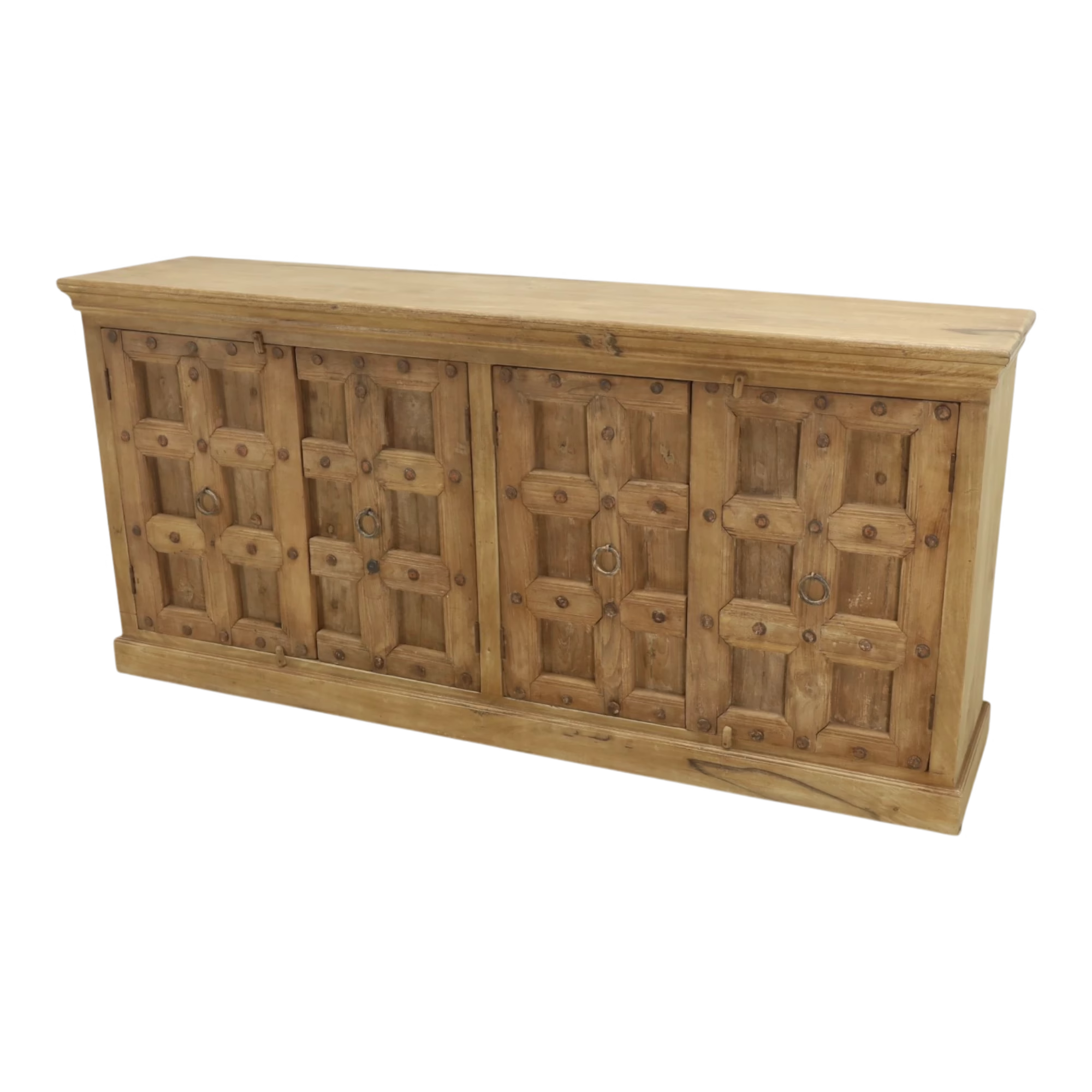
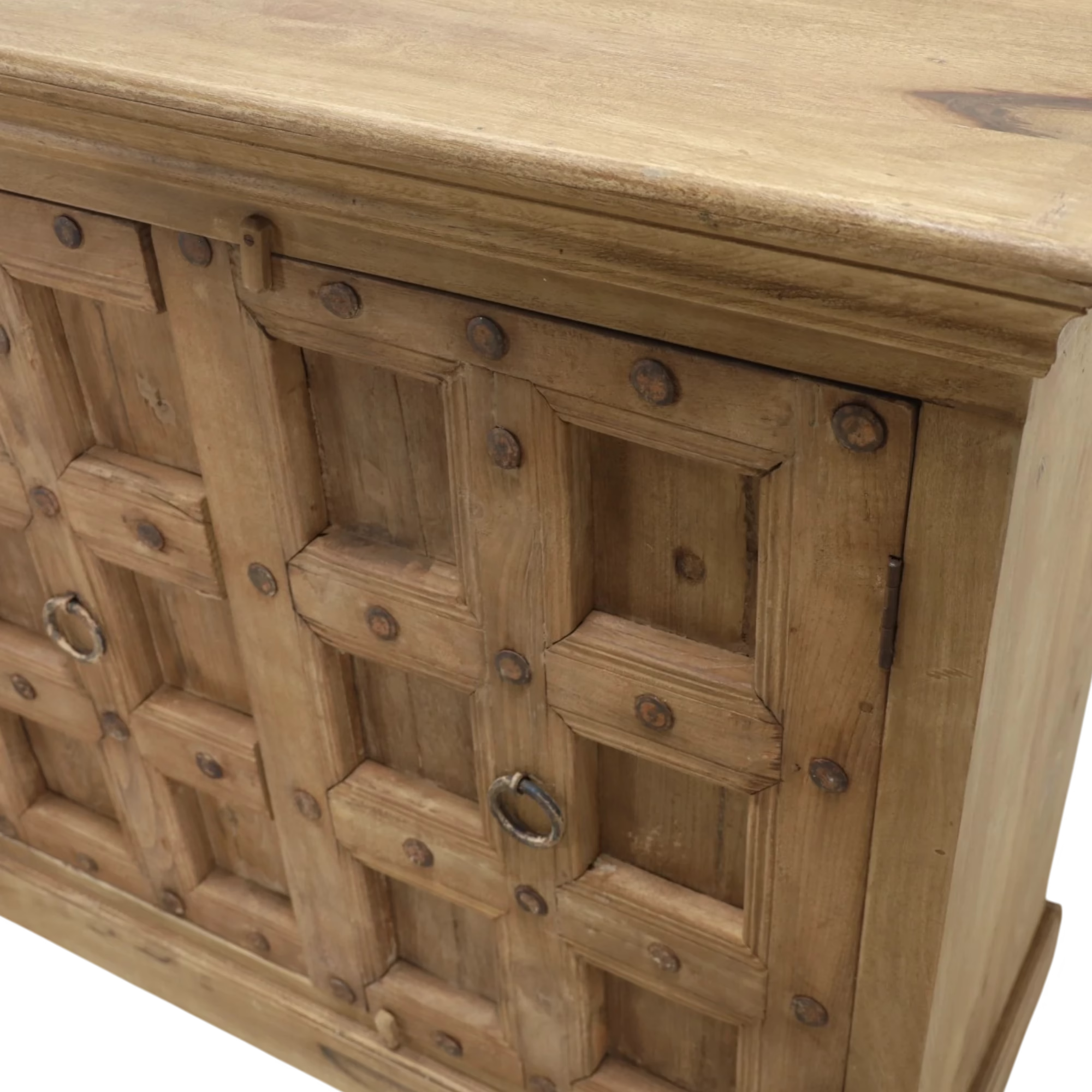
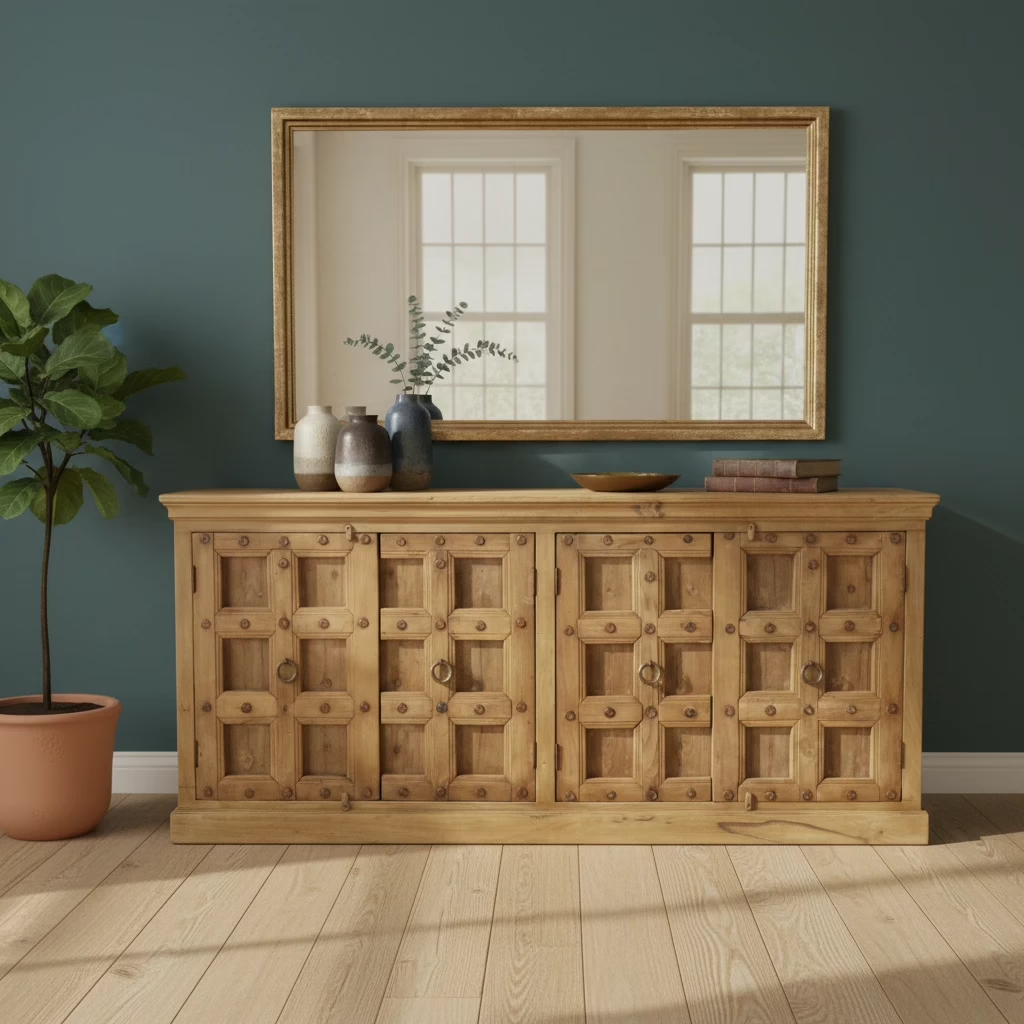
Its defining feature is a façade composed of four antique wood doors incorporated into a newly functional storage cabinet. Each door is organized into a grid of deeply recessed rectangular panels, substantial wood rails and exposed round metal studs. Iron ring pulls interrupt the geometry near the center of each door, while visible hinges and simple latch details preserve the directness of the older construction.
From across the room, the façade reads as a disciplined pattern. Move closer and the repetition begins to break apart.
The reclaimed wood varies in tone from one board to the next. Some studs are darker than others. Old fastener marks, worn edges, grain changes and small surface irregularities become visible. On the Reclaimed Wood Sideboard, these differences are not visual noise; they are what prevent the four-door composition from feeling mechanically repeated.
Antique Doors, Reframed
The strongest design decision is also the simplest: the antique doors remain recognizable as doors.
They have not been reduced to anonymous boards or hidden behind a new decorative treatment. Their panel construction, hardware, proportions and accumulated surface character remain visible within the new cabinet. That gives the sideboard a clearer sense of provenance than furniture that merely imitates age through distressing.
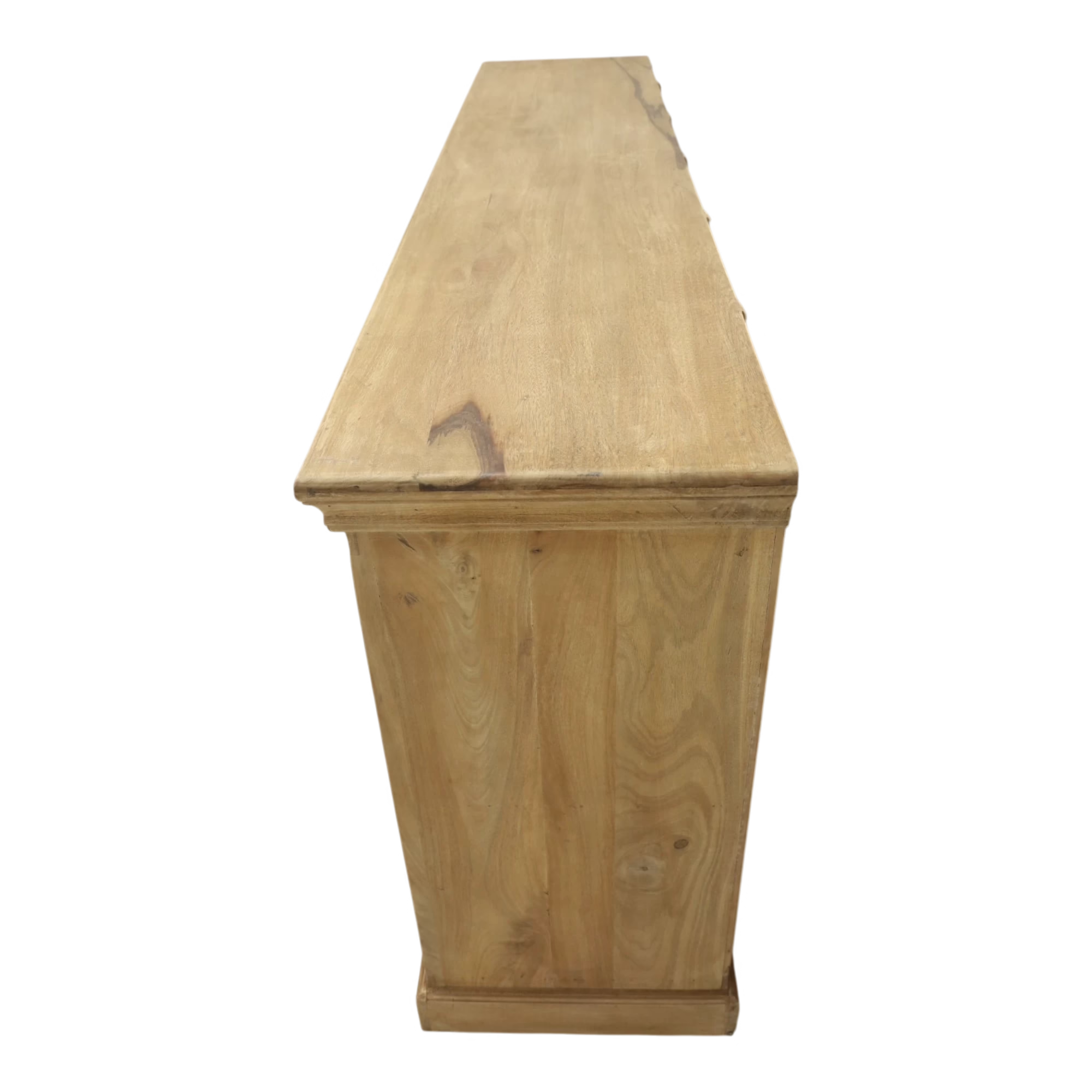
The surrounding case becomes intentionally quieter in comparison. Broad reclaimed wood planes frame the four doors, while the projecting top and low plinth create a calm rectangular outline around the more articulated façade.
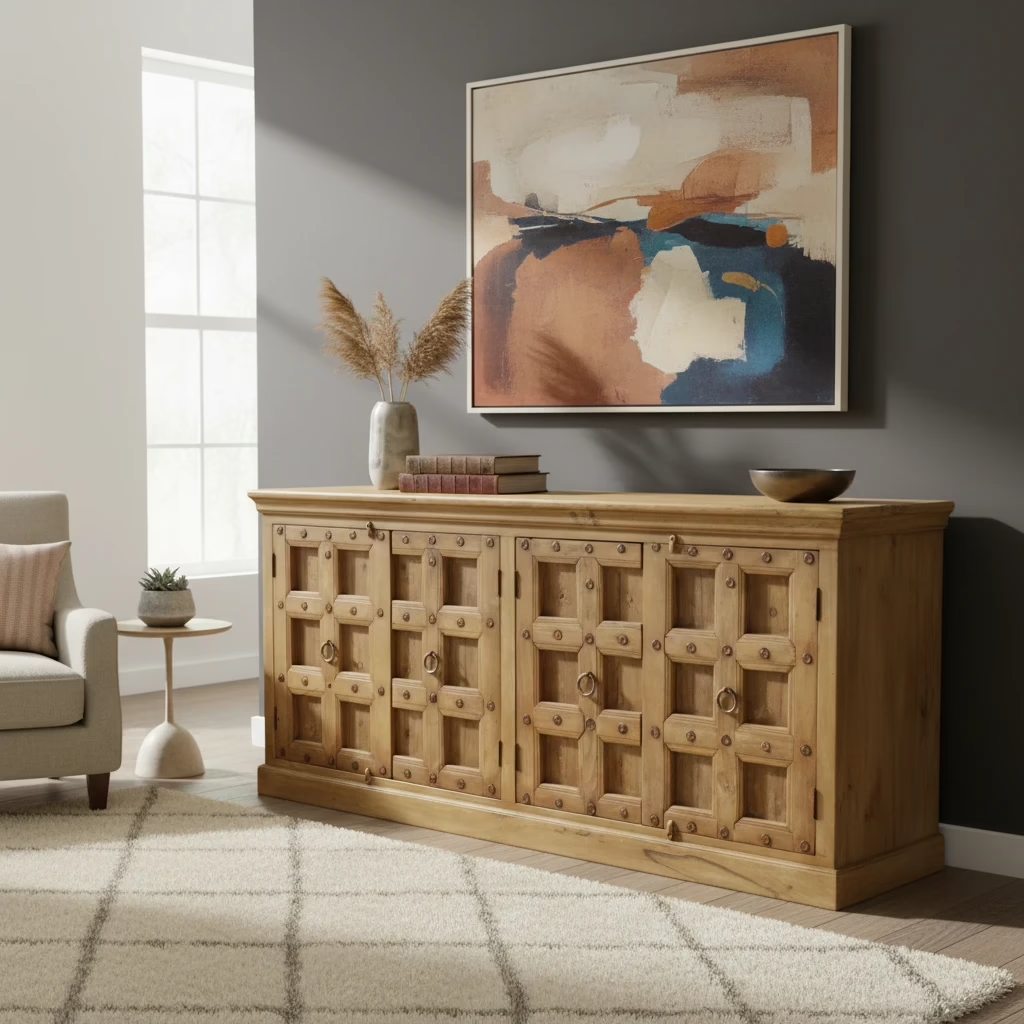
Viewed from the side, the difference becomes even clearer. The case is relatively restrained; the antique doors carry the history.
Construction Becomes Ornament
The front has presence without depending on carved decoration.
Depth comes from the physical construction of the antique doors. Projecting rails surround recessed wood panels, creating alternating planes of light and shadow. Round metal studs introduce another layer of relief. Circular ring pulls interrupt the otherwise rectilinear pattern.
That contrast is one of the most memorable ideas in the piece: joinery, repetition and depth can become ornament on their own.
Look closely at the way the doors are assembled and the sideboard becomes more interesting rather than less. That is an important test for furniture built from reclaimed material. The surface does not rely on a single distressed finish to create character; the character survives inspection.
Material Evidence
The Heritage Reclaimed Wood Sideboard preserves visible evidence of previous construction and use.
You may notice tonal shifts between boards, worn edges, old fastener holes, darker areas around hardware, natural grain variation and other irregularities associated with reclaimed and antique wood. These characteristics make each section of the façade read slightly differently.
Because the doors are antique, perfect uniformity would actually weaken the product’s identity.
The eye reads the overall four-door rhythm first, then begins discovering the differences within it. That movement from order to irregularity is what gives the surface depth.
Practical Storage Behind the Façade
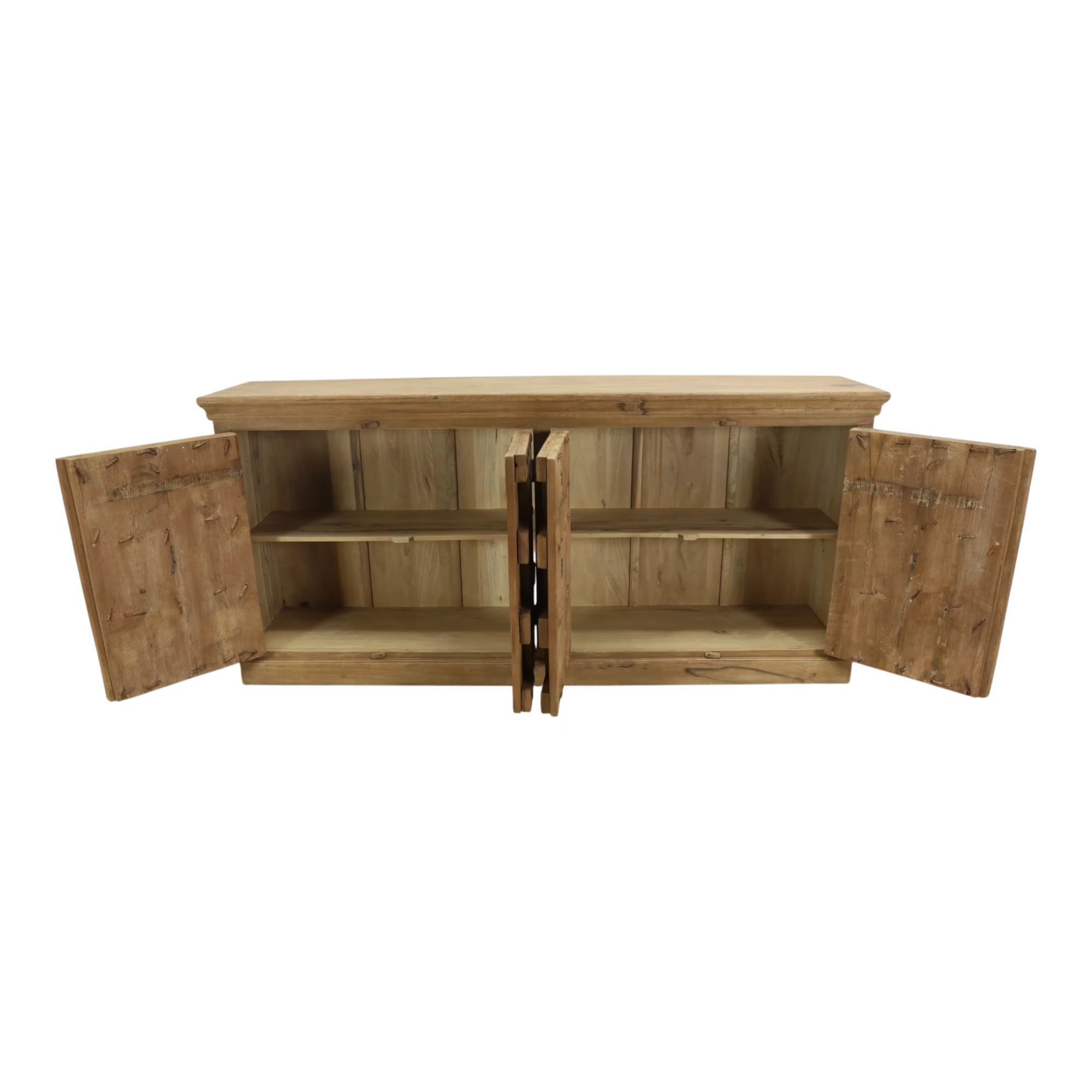
Open the four doors and the visual complexity gives way to straightforward storage.
The interior is divided into two broad sections, each with a shelf. This makes the sideboard suitable for serving pieces, dinnerware, table linens, books, games, media accessories or everyday items that benefit from concealed storage.
The generous 89″ width also creates a substantial top surface for large artwork, lamps, pottery, sculpture or a mirror.
That combination is important. The Reclaimed Wood Sideboard is not merely a display of old material. It performs the practical work expected of a modern storage cabinet.
Why the Proportions Matter
At 89″ wide, the sideboard has enough scale to anchor a substantial wall.
At 42″ high, it sits taller than many conventional buffets, which gives the antique doors greater vertical presence and creates a more substantial visual base beneath artwork or a mirror.
The 19″ depth is equally useful. It provides meaningful cabinet storage without pushing as far into the room as many deeper case pieces.
Those proportions make the Heritage Reclaimed Wood Sideboard suitable for dining rooms, living rooms, large entries, studies and other spaces where the furniture needs to hold its own against substantial architecture.
Designed to Live With
Reclaimed furniture should not be evaluated by the standards of perfectly uniform new lumber.
Natural and age-related variation can include differences in tone and grain, old nail or fastener marks, worn areas, repaired sections, surface irregularities, small cracks and evidence of earlier use. These are part of the material history.
That existing character also changes the ownership experience.
A highly uniform new surface can make every small mark feel conspicuous. A reclaimed surface already contains variation, which allows ordinary life to coexist with the material more naturally.
The Heritage Reclaimed Wood Sideboard does not need to look untouched to remain convincing.
Its value comes from the dialogue between old doors and new function: four architectural fragments from an earlier life, preserved as the working front of a useful storage piece.
Dimensions & Specifications
Overall Dimensions
- Width: 89 Inches
- Depth: 19 Inches
- Height: 42 Inches
Product Type
- Four-Door Sideboard
- Storage Cabinet
- Buffet / Credenza
Material
- Reclaimed wood
- Four verified antique wood doors
Construction
- Handcrafted
- Four-door configuration
- Two interior storage compartments
- Interior shelving
- Reclaimed wood case
- Antique paneled door fronts
Hardware
- Iron ring pulls
- Visible hinges
- Exposed round metal studs
- Simple latch details
Finish / Color
- Light natural aged wood tones
- Visible tonal variation
- Existing surface wear and patina
Natural Material Characteristics
Variation may include:
- Grain differences
- Tonal variation
- Old fastener marks
- Worn edges
- Surface irregularities
- Evidence of earlier construction and use
Country of Origin
India
Why This Size Works
At 89″w × 19″d × 42″h, the Heritage Reclaimed Wood Sideboard is large enough to anchor a substantial wall while remaining relatively controlled in depth.
The 42″ height gives the piece more vertical authority than a low buffet and makes it particularly effective beneath oversized artwork or a mirror. The 19″ depth allows meaningful interior storage without extending excessively into the room.
Styling Suggestions
The Heritage Reclaimed Wood Sideboard works best when the surrounding room does not compete with the antique doors.
Pair it with warm white plaster, limestone, muted taupe, charcoal, natural linen, dark wood, stone or restrained metal finishes. The age and texture of the doors become easier to appreciate when nearby furniture uses simpler forms.
In a dining room, use it as a substantial buffet beneath oversized artwork or a mirror. A pair of lamps can reinforce its 89-inch width, while leaving the center relatively open keeps the composition from becoming crowded.
In a living room, the Reclaimed Wood Sideboard can anchor a long wall while concealing everyday storage. Contemporary upholstery, a stone or marble coffee table and restrained lighting create an effective contrast with the older architectural material.
It does not need to live in a rustic room.
In fact, one of the strongest ways to use reclaimed furniture is to place it against cleaner contemporary surroundings, where the aged material can be seen clearly rather than disappearing into an entirely distressed setting.
Designer Tip
Treat the four antique doors as the artwork of the piece. The more visually active the façade becomes, the quieter the styling above and around it should be.
Why Home Source Furniture
Since 1993, Home Source Furniture has curated furniture for homes where material, craftsmanship and individuality matter as much as trend.
We selected this piece because the antique doors remain the design rather than being stripped of their identity and reduced to anonymous reclaimed lumber. Their original panel geometry, exposed studs, ring pulls and aged surfaces are what give the cabinet its character.
The Heritage Reclaimed Wood Sideboard reflects the kind of furniture Home Source has long valued: pieces where material history is not disguised, and where that history is transformed into something useful for contemporary homes.
Experience It in Person
The Heritage Reclaimed Wood Sideboard deserves to be seen in person because photographs flatten much of what makes reclaimed material interesting.
Stand close and you can see the differences in grain, surface wear, hardware, old fastener marks and panel depth across the four antique doors. Step back and the 89-inch width becomes more apparent, along with the strong repeating rhythm of the façade.
Seeing the piece in person also helps you evaluate:
- Door thickness
- Hardware
- Interior shelf space
- Door swing
- Wood tone
- Surface variation
- Overall scale
- How the 42-inch height works with your wall and artwork
Post Oak Showroom
1705 Post Oak Blvd.
Houston, TX 77056
Warehouse Showroom
1055 West Sam Houston Parkway North #113
Houston, TX 77043
Showroom Hours
Monday–Saturday: 10:00 AM–6:00 PM
Sunday: 12:00 PM–6:00 PM
Local in-home delivery is available throughout the greater Houston area, with nationwide shipping available across the United States.
Frequently Asked Questions
What makes this reclaimed wood sideboard different from a distressed new cabinet?
The Heritage Reclaimed Wood Sideboard incorporates four verified antique wood doors into a handcrafted reclaimed wood case. Its age characteristics come from actual older components and reclaimed material rather than relying solely on a newly applied distressed finish.
Are the four doors actually antique?
Yes. The product is handcrafted using four antique wood doors.
Are all four antique doors identical?
No. Their overall construction follows a repeated panel pattern, but natural differences in grain, tone, surface wear, hardware, old fastener marks and age-related character may vary from one door to another.
What can I store inside?
The four doors open to two broad interior storage sections with shelving. The configuration works well for dinnerware, serving pieces, linens, books, games and other household items.
Does it work in a contemporary interior?
Yes. The Reclaimed Wood Sideboard can be especially effective in contemporary spaces because the clean surroundings create contrast with the aged antique doors and visible hardware.
How should I care for the reclaimed wood?
Dust with a soft dry cloth and wipe spills promptly. Avoid harsh chemicals, abrasive cleaners and prolonged moisture. The goal is to preserve the existing surface character rather than make the wood appear perfectly uniform.