
Description
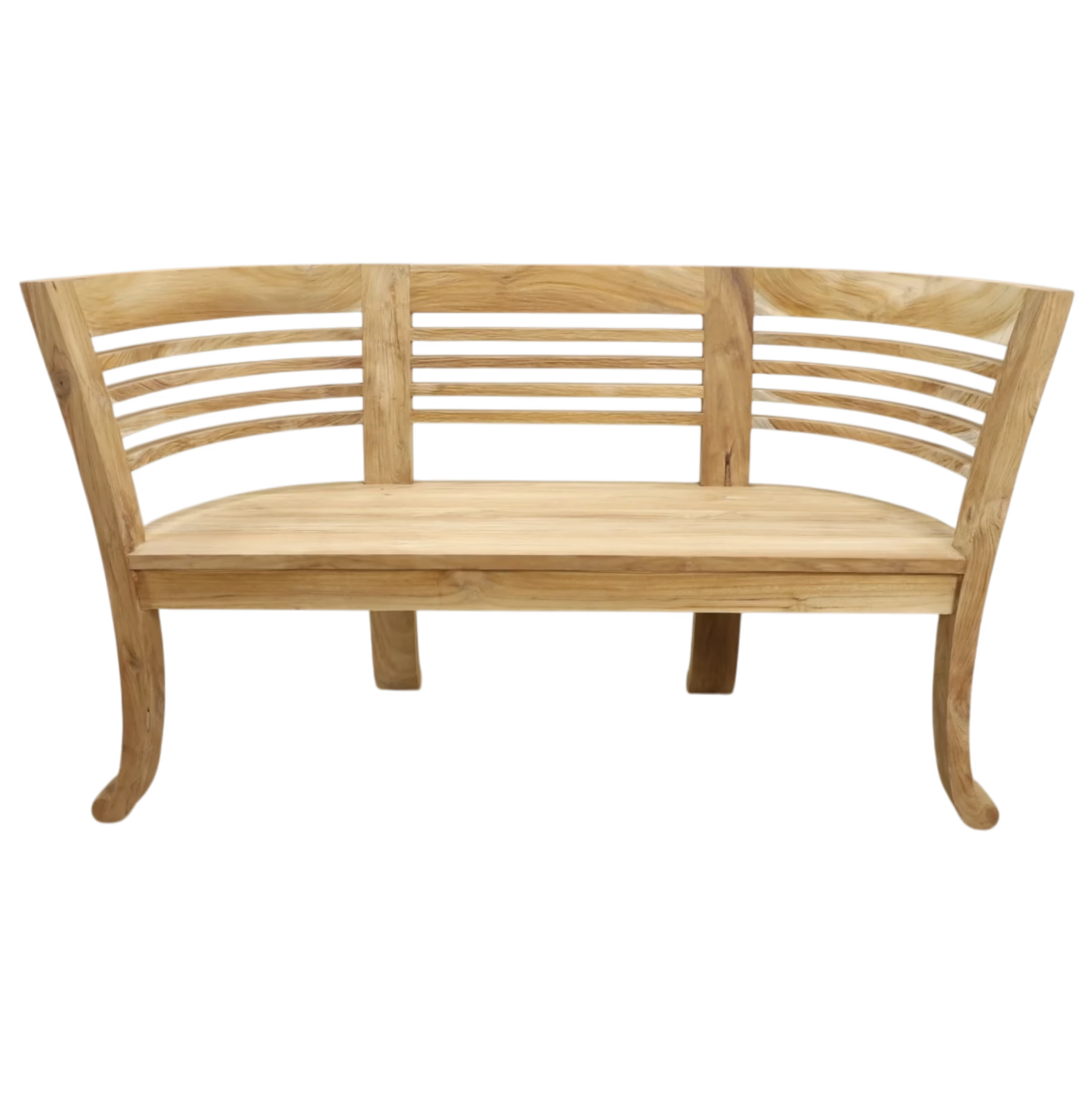
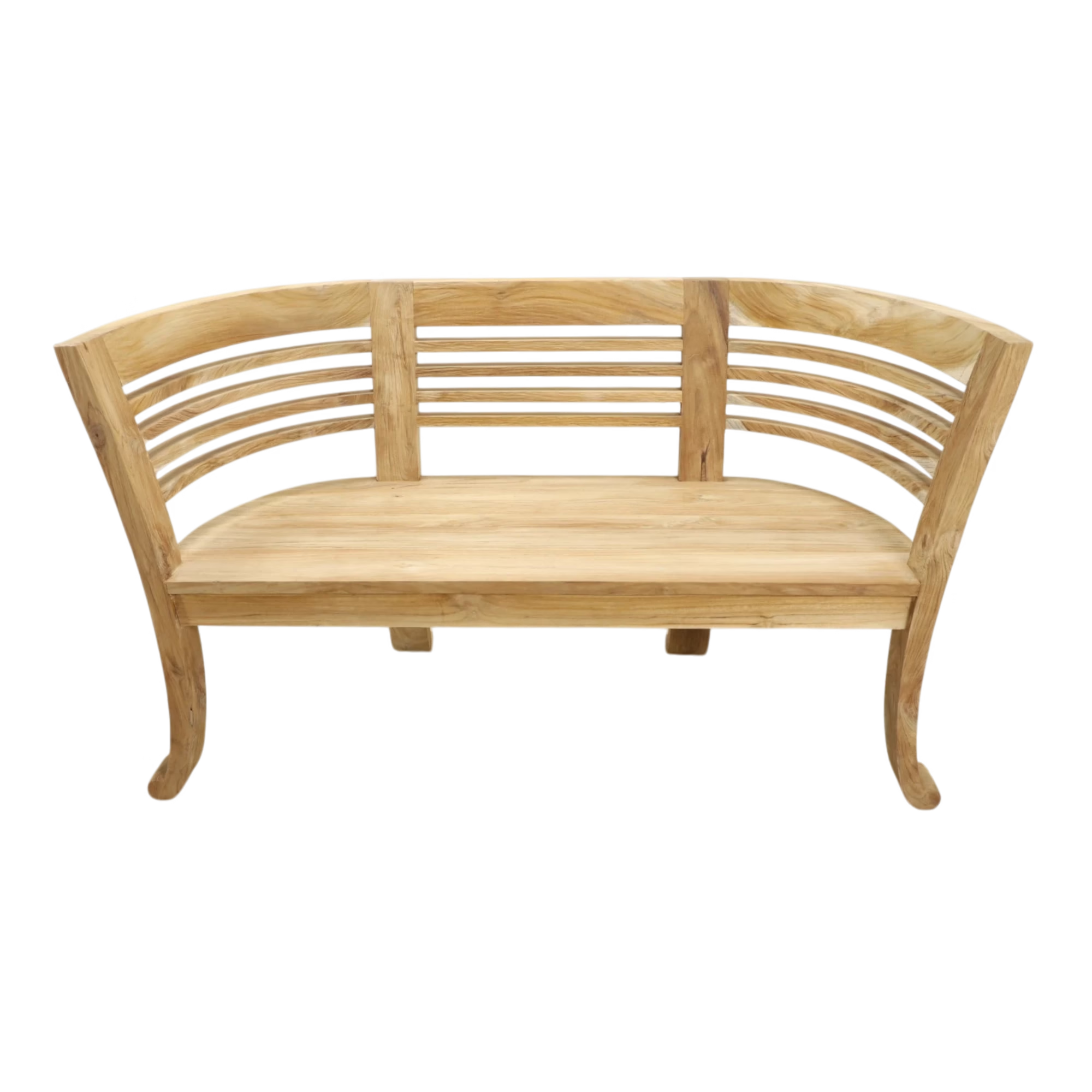
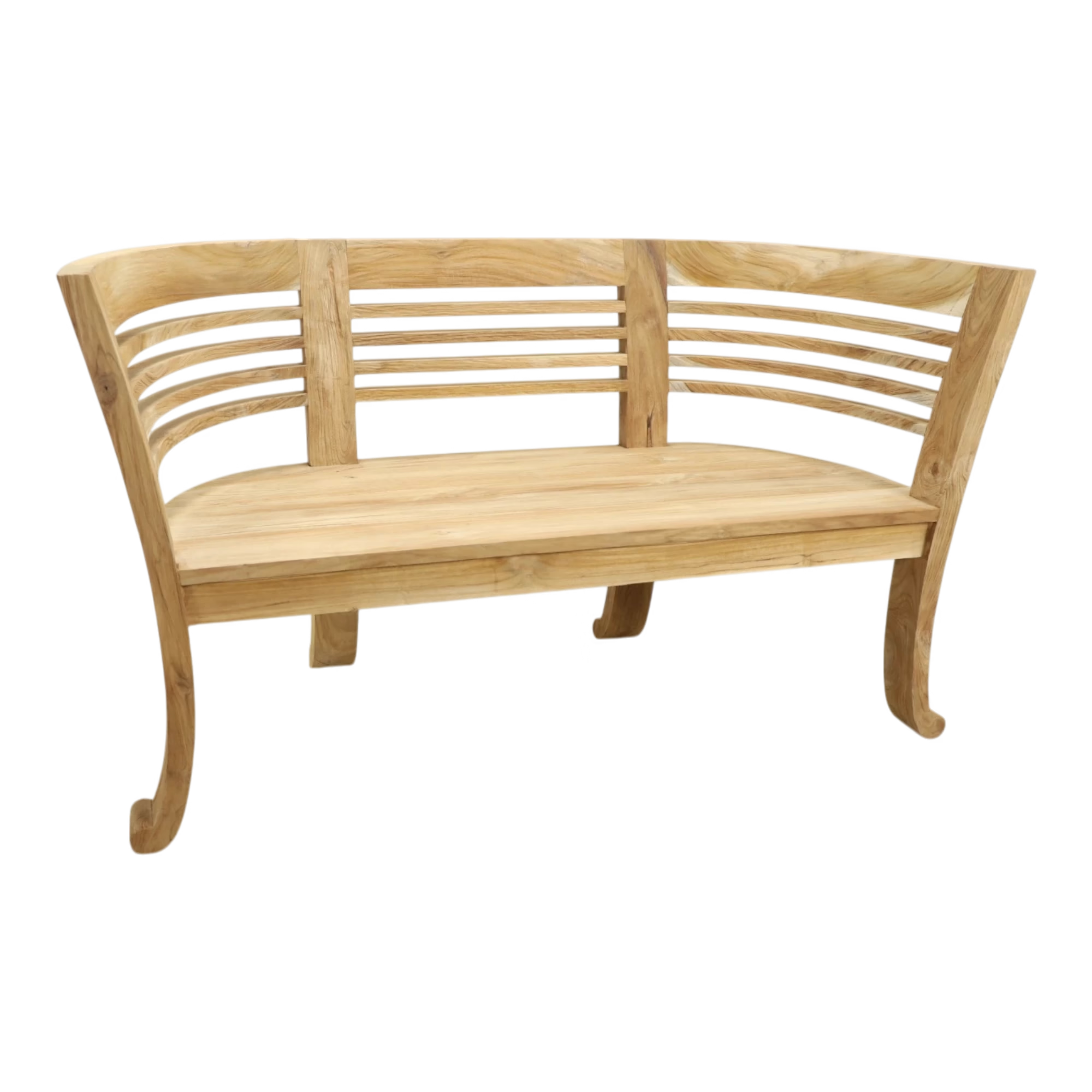
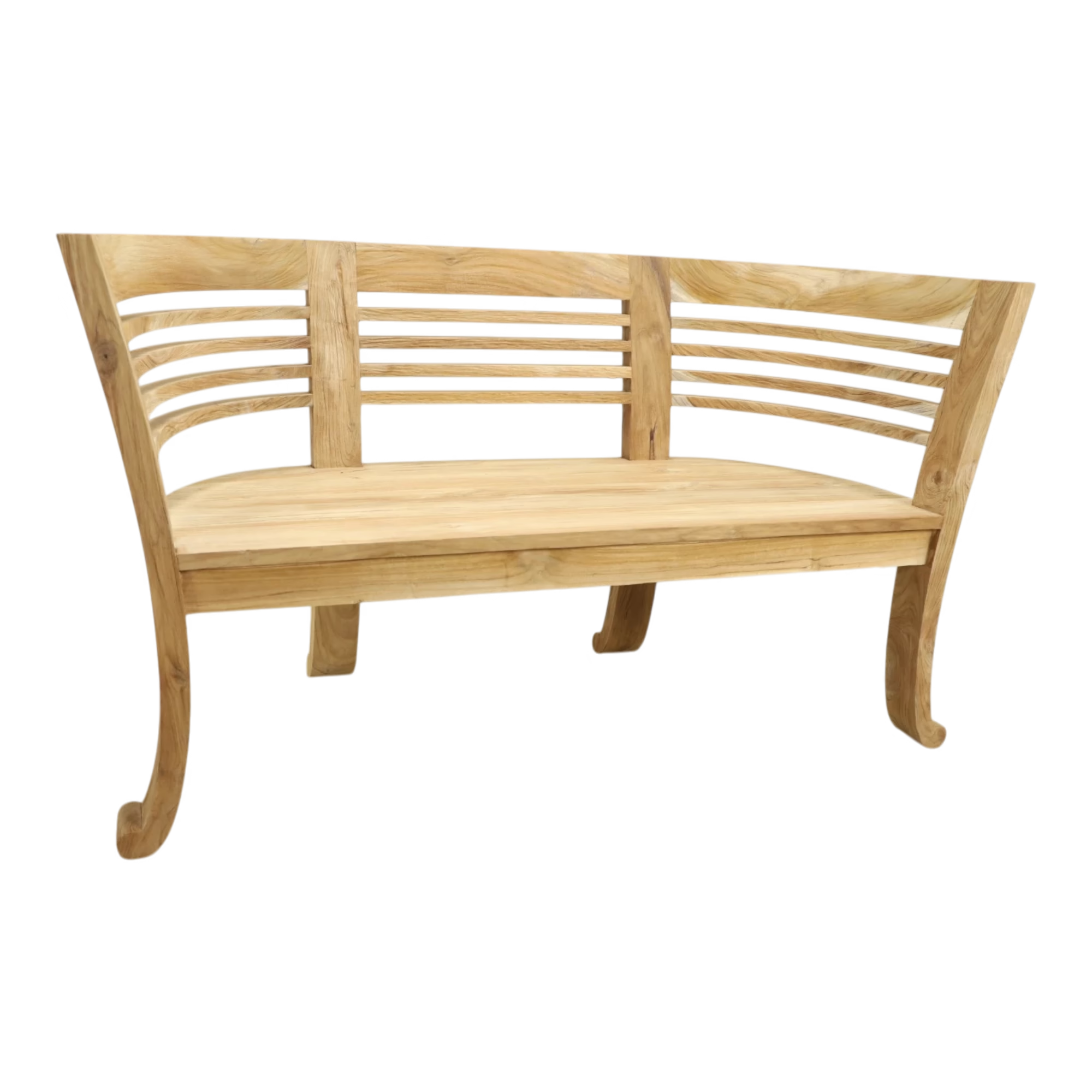
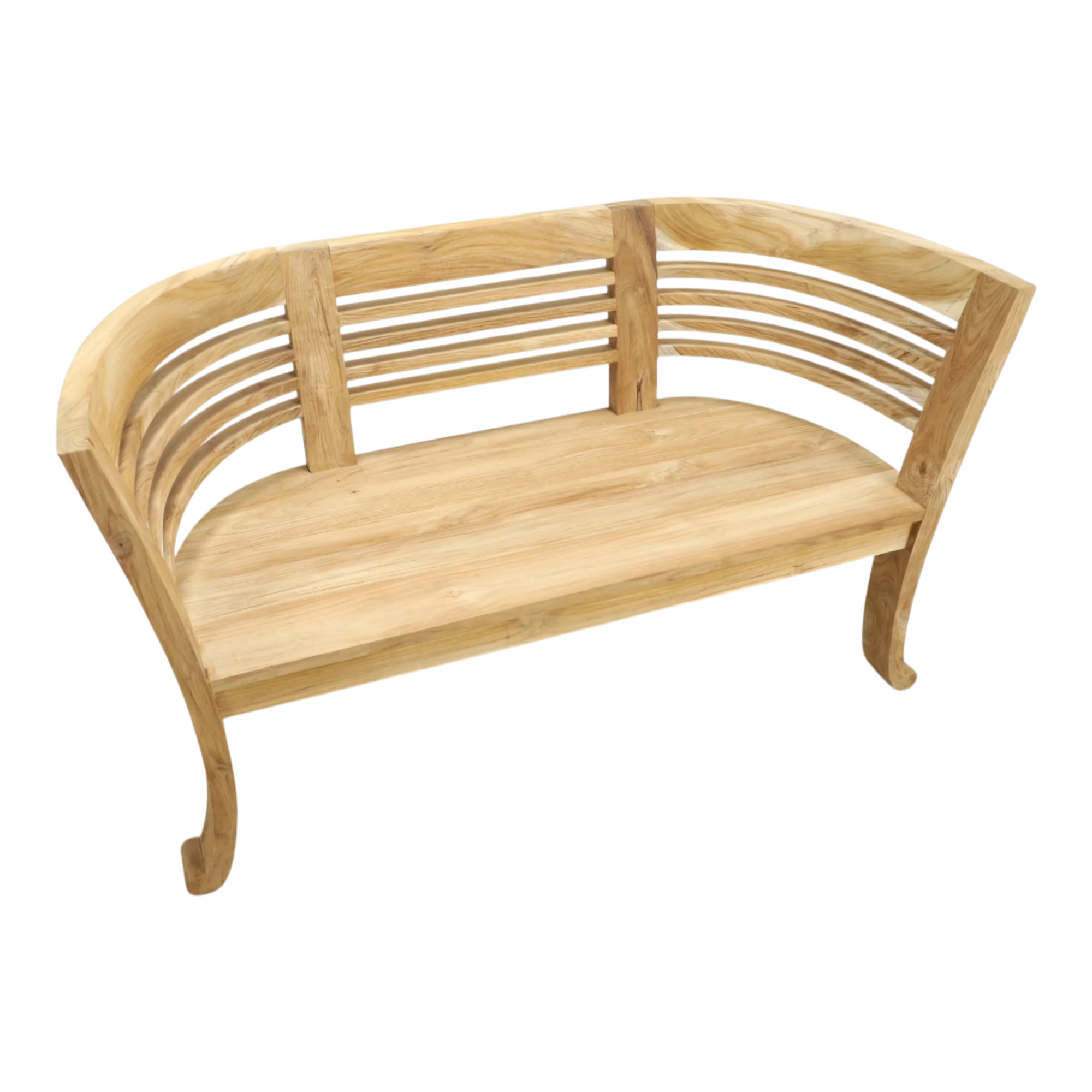
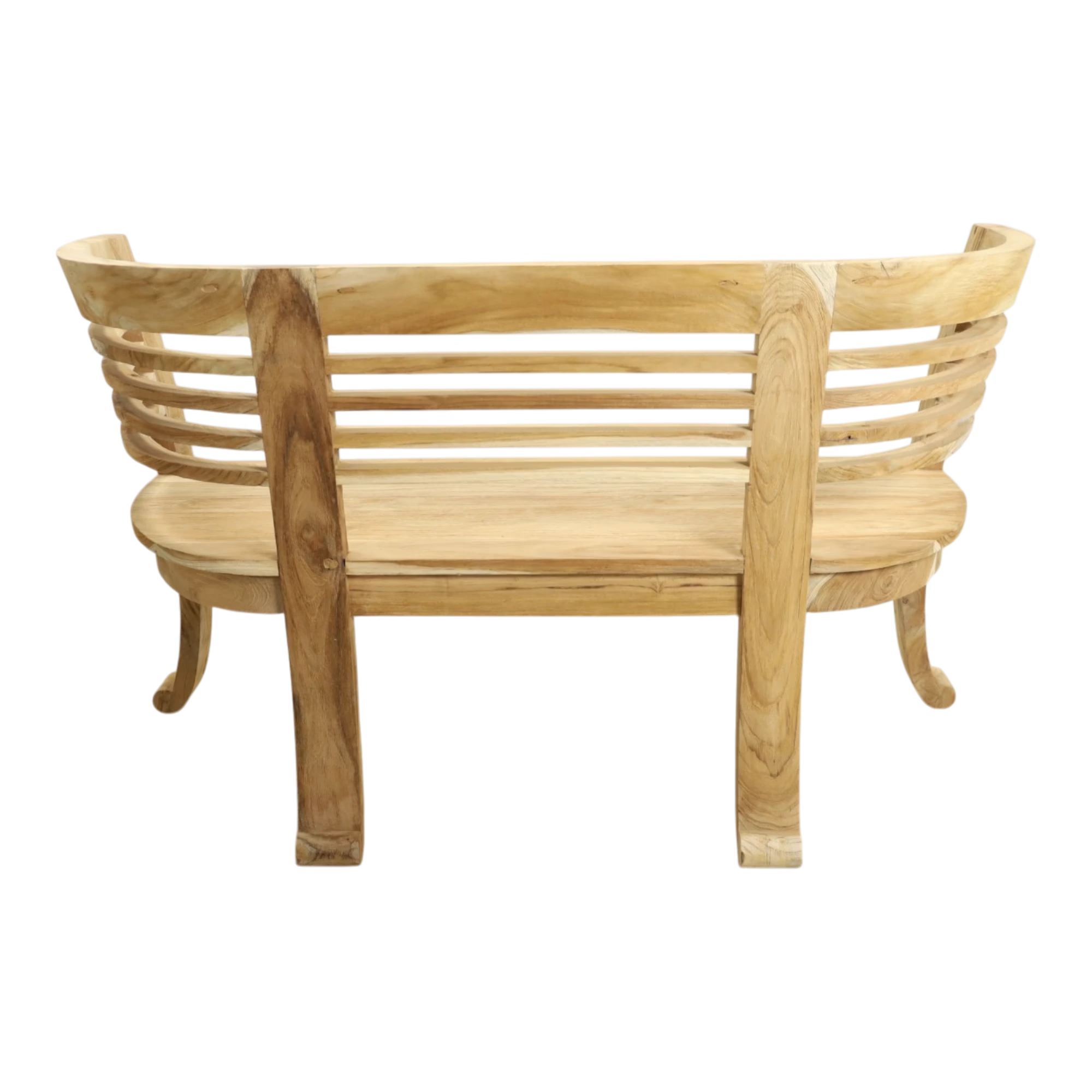
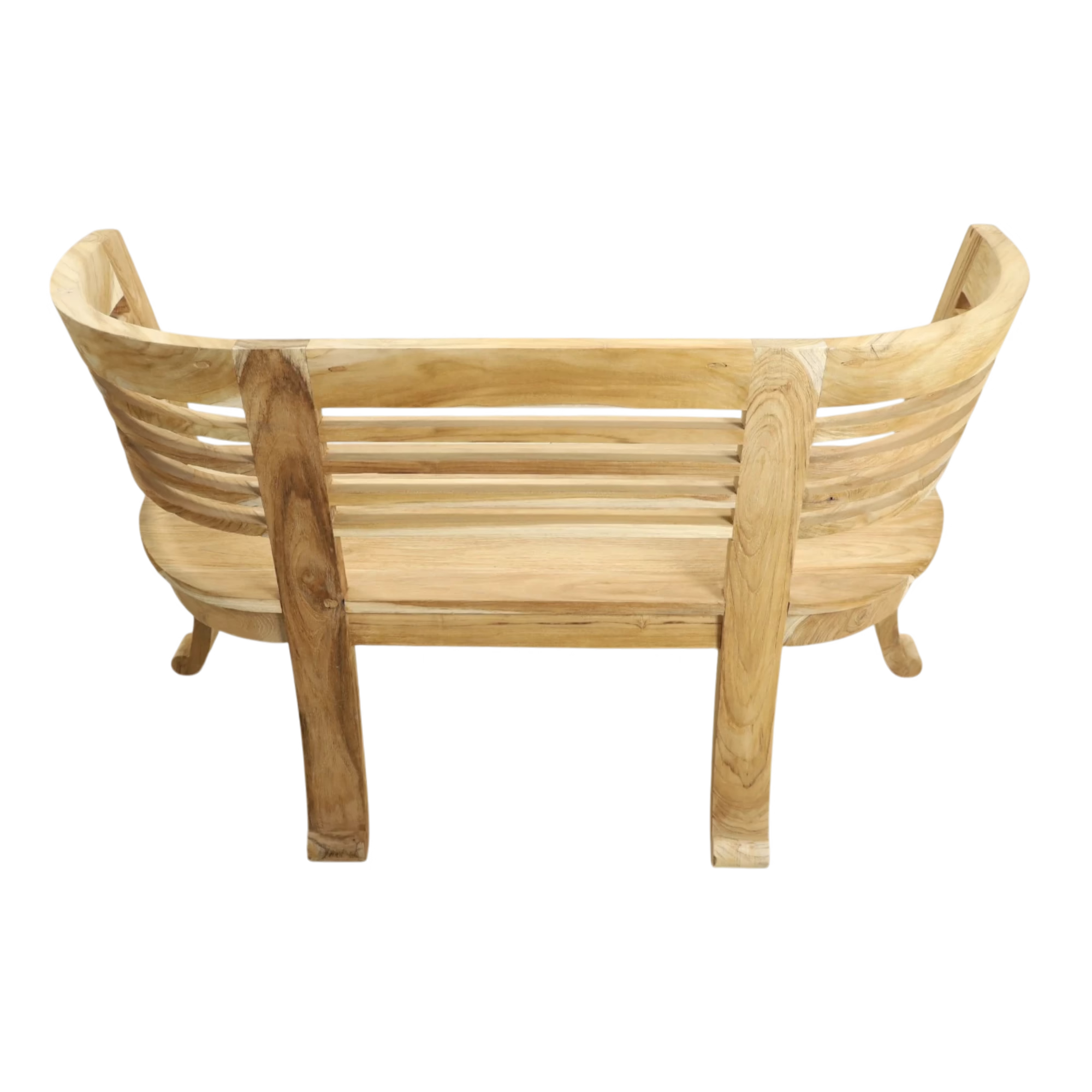
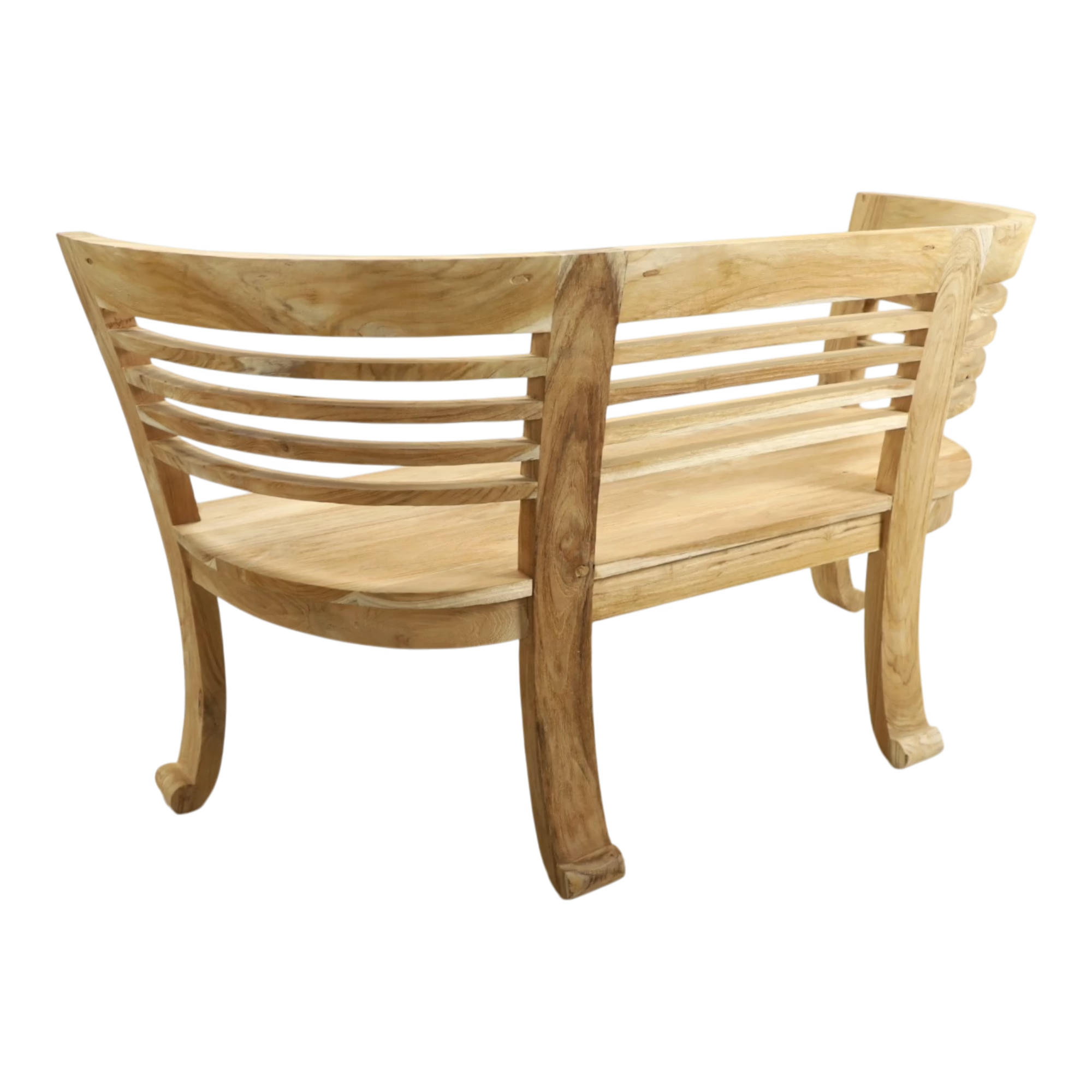
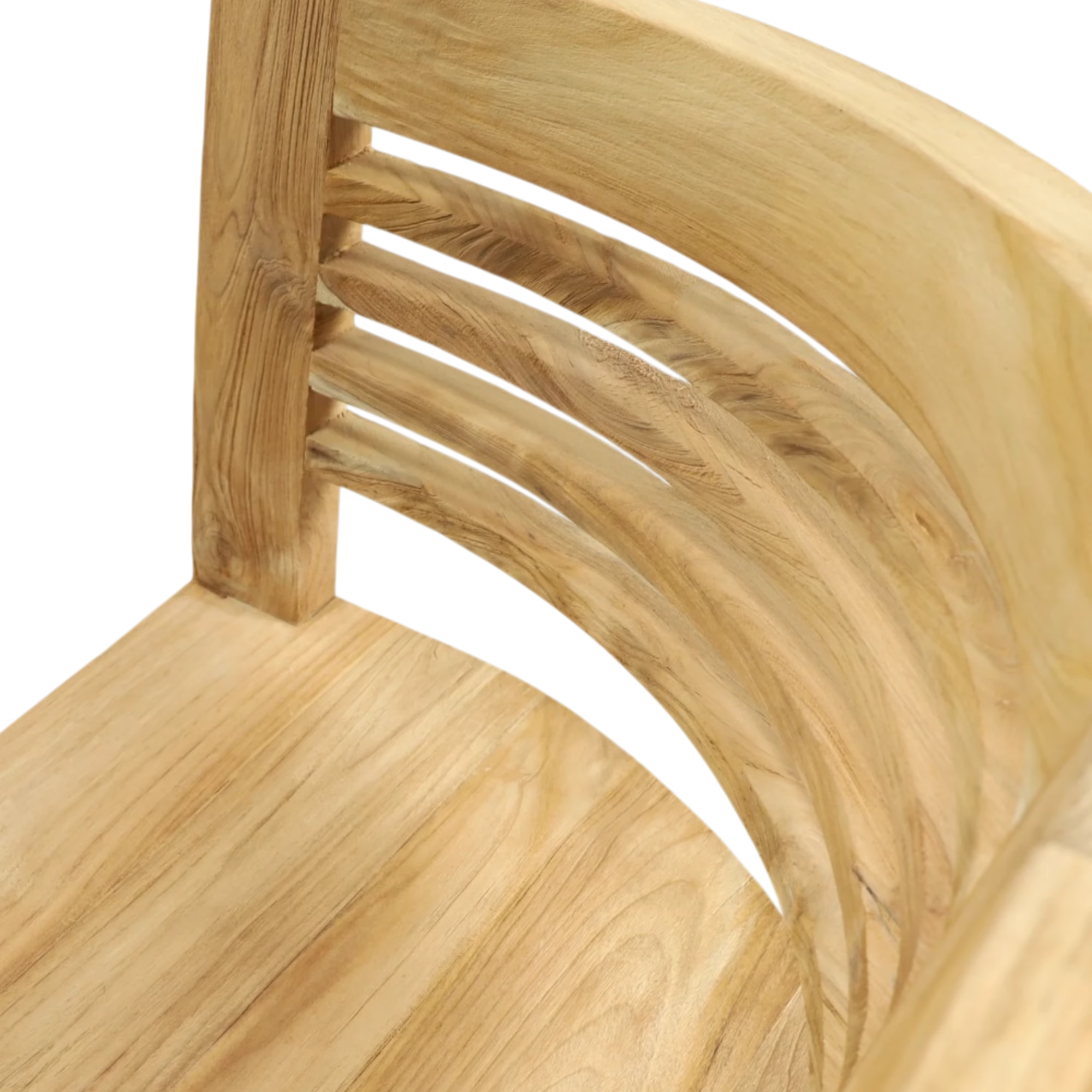
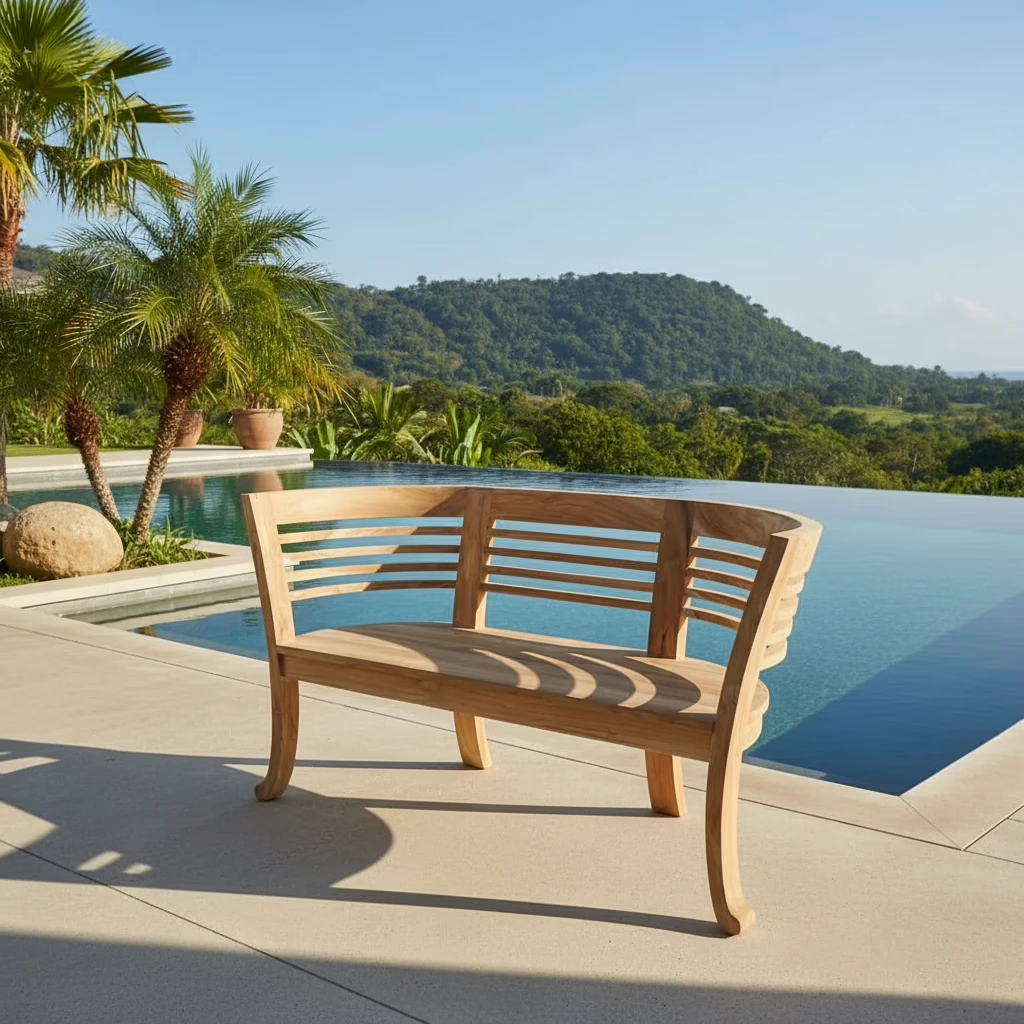
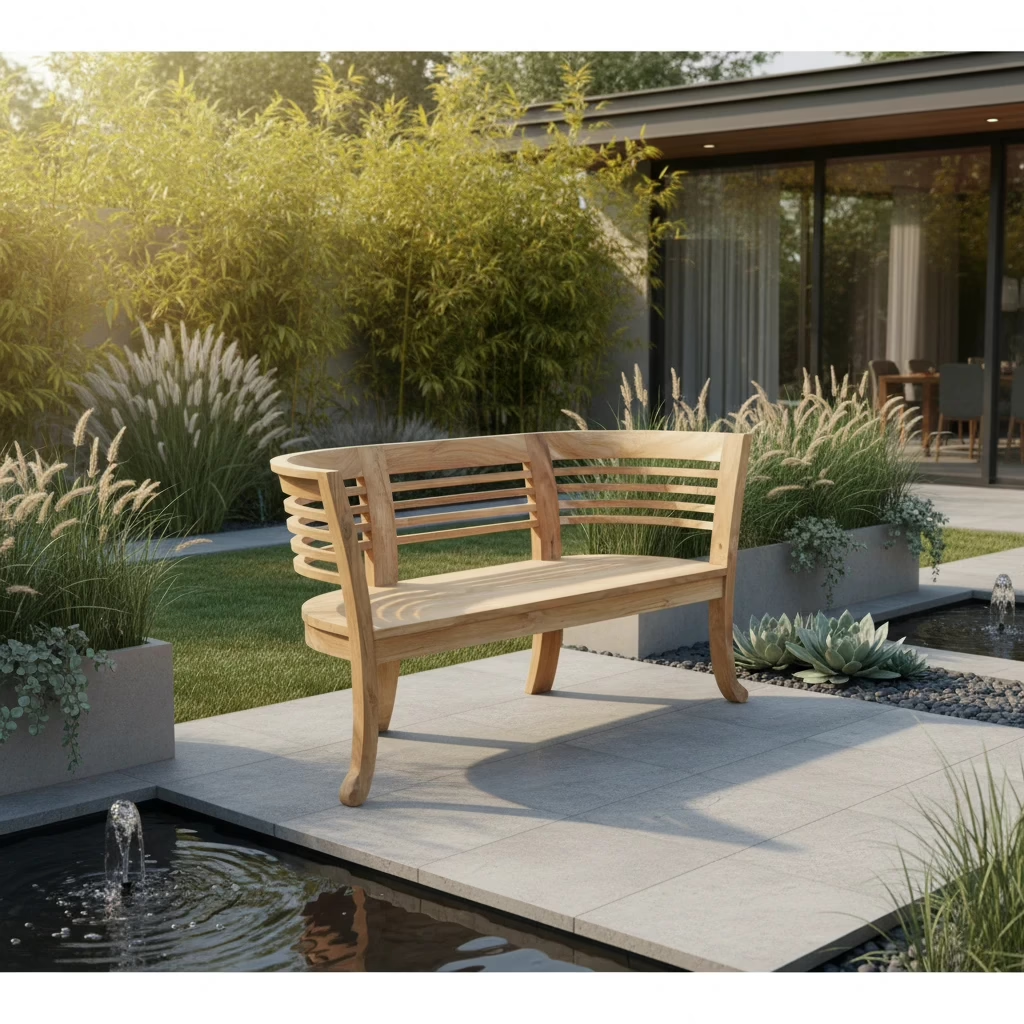
Look first at the back rather than the seat. Five horizontal teak slats sweep from the center toward both sides, following the curve of a broad upper rail. Instead of ending behind the sitter, the structure continues forward to form the sides of the Curved Wraparound Teak Wood Bench.
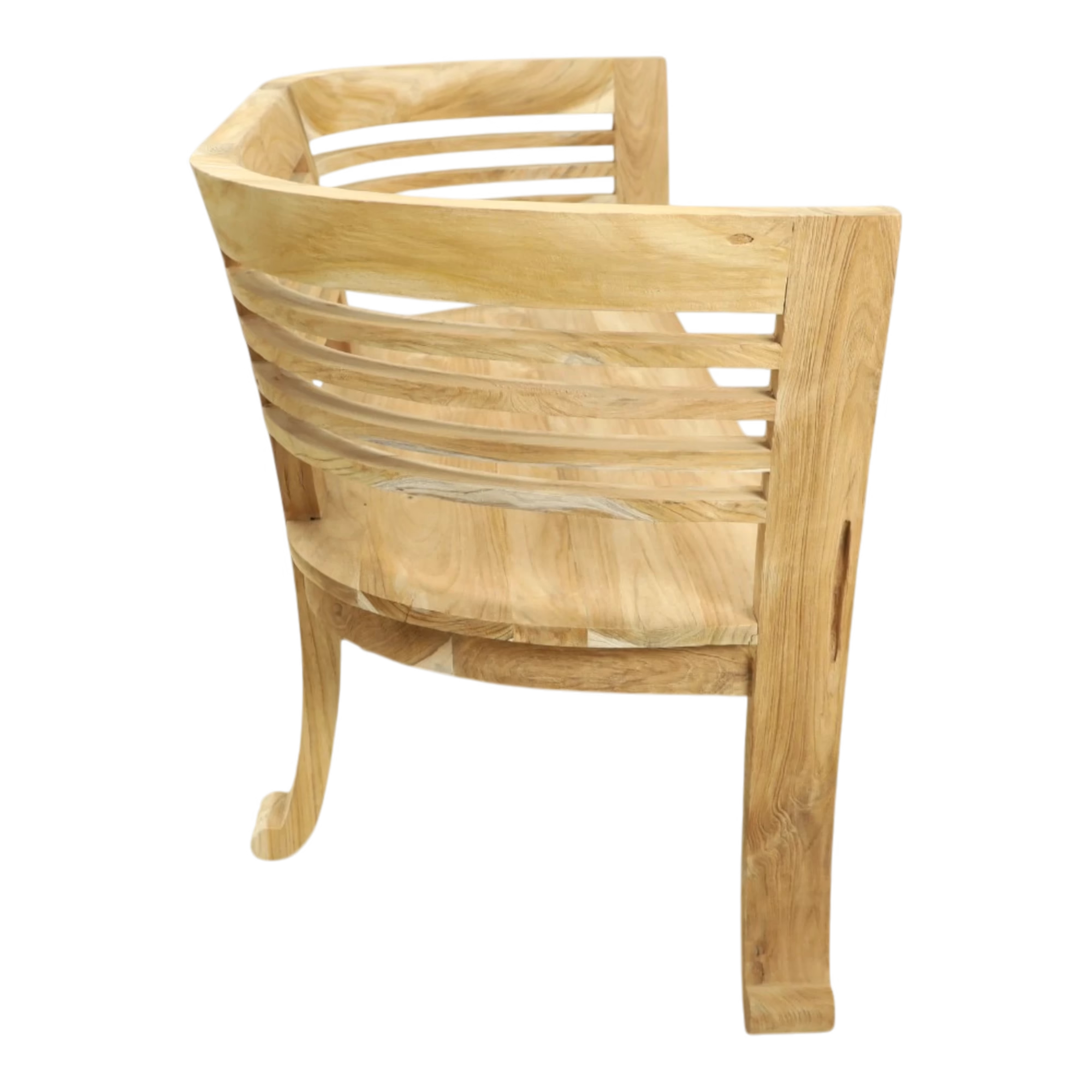
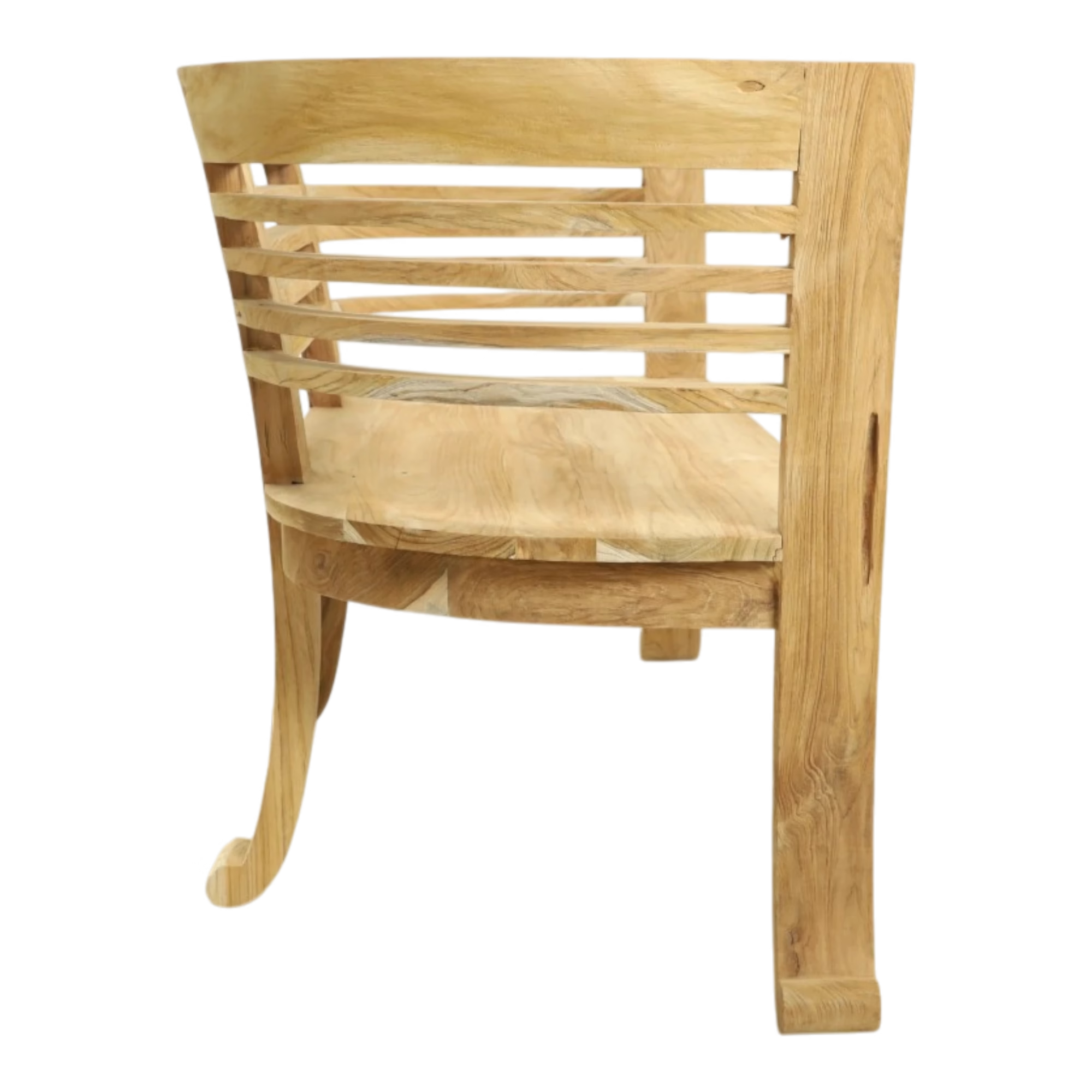
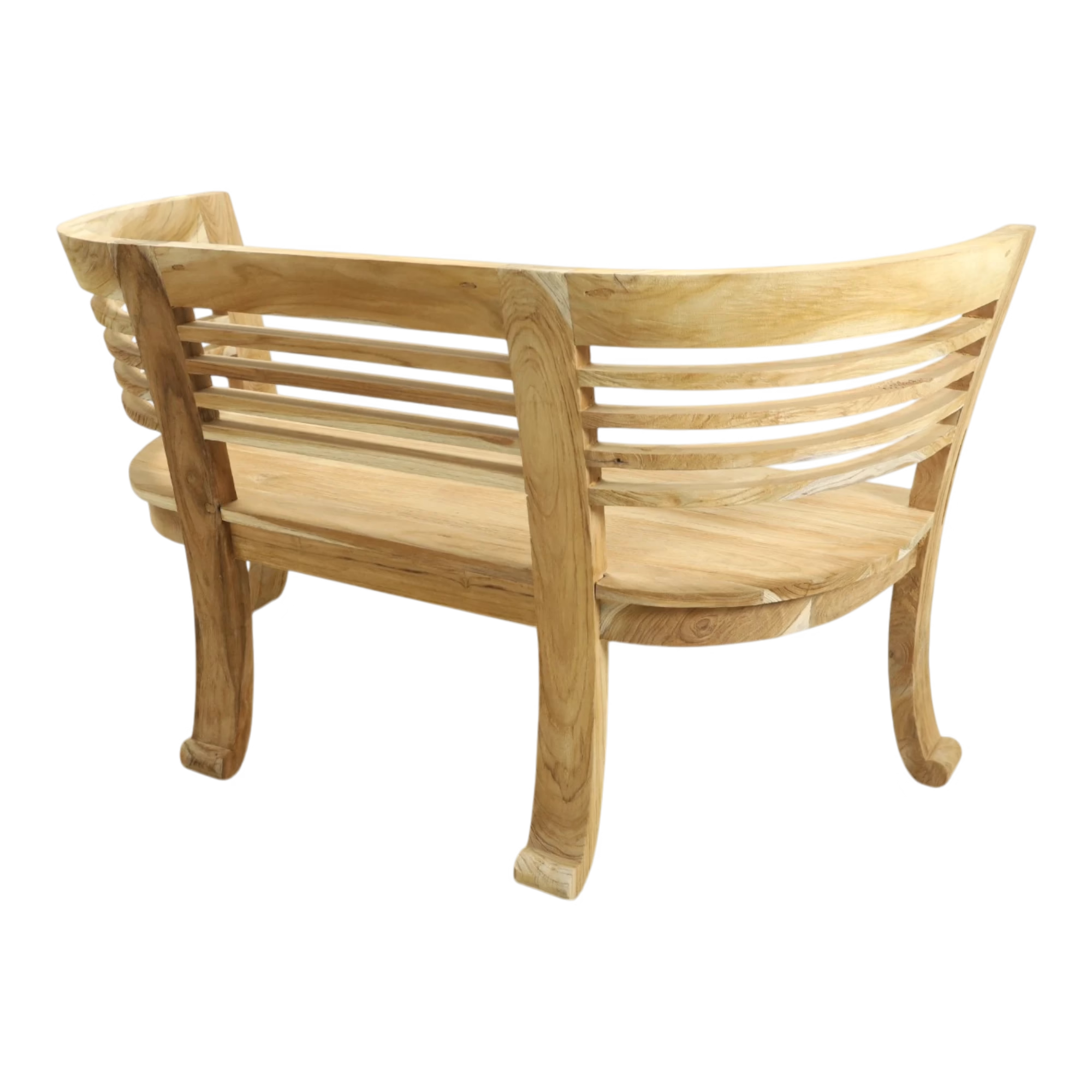
That single decision gives the bench its identity. From the front, the curved ends create a defined seating area. Move around it and the full geometry becomes clearer: the back and sides belong to one continuous composition rather than reading as separate backrest and arm components.
The spaces between the slats matter as much as the wood itself. They allow sightlines through the bench and reduce the visual mass that a solid wraparound back would create. In a garden or patio setting, planting, architecture and landscape can remain visible through the structure. Indoors, the same openness helps a substantial wooden bench feel less visually dense.
Notice how the horizontal movement is controlled by vertical uprights. They interrupt the long slats at measured intervals, creating a rhythm of horizontal lines and vertical pauses. Below them, the broad uninterrupted seat provides visual calm. Movement above and quiet below is what keeps the design expressive without becoming busy.
The legs introduce another change in direction. Rather than finishing as four purely straight posts, the visible front legs turn gently outward near the floor. It is a small detail, but one that connects the lower structure to the larger curved gesture above.
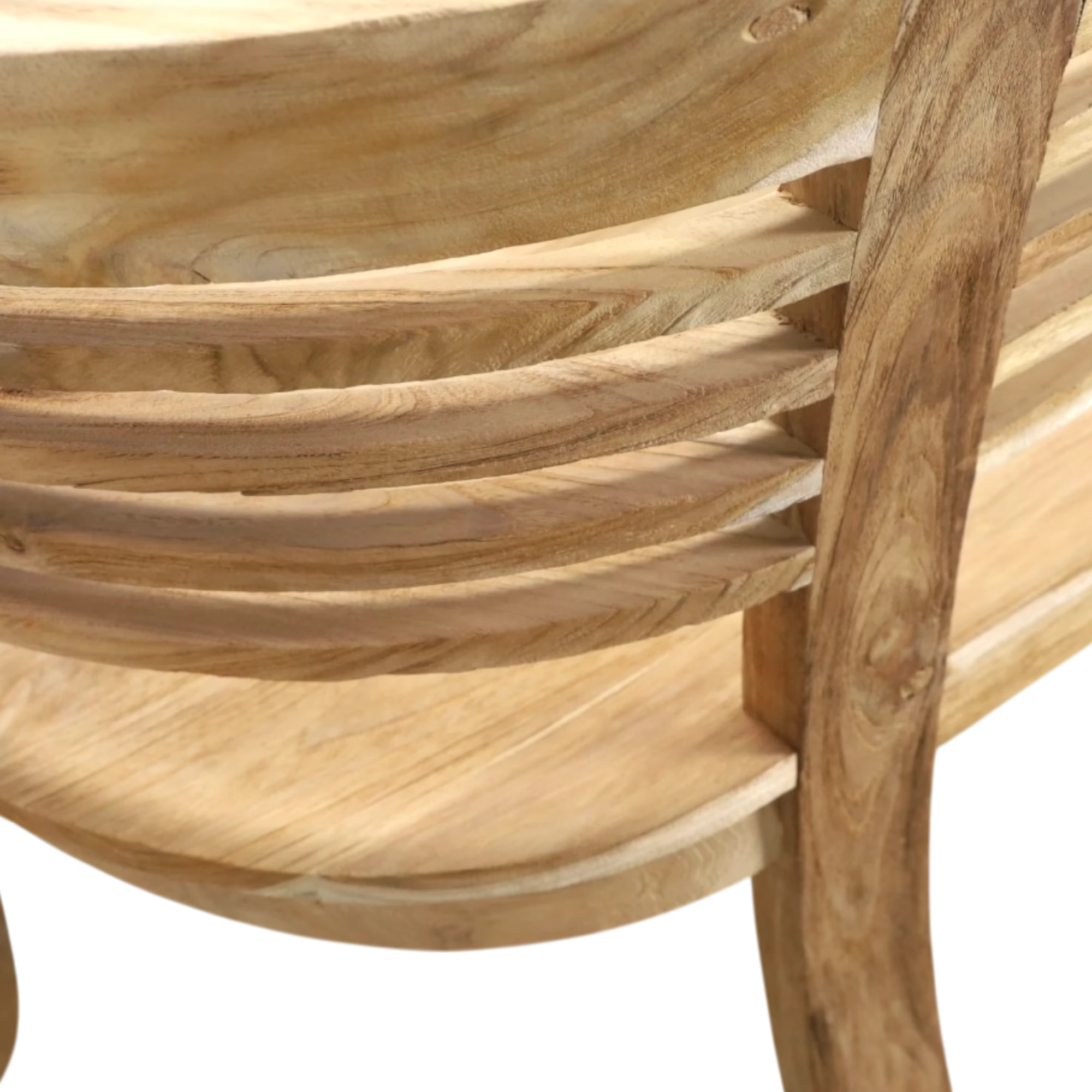
Teak grain remains visible throughout the seat, rails, slats and legs. Variations in tone and grain are part of the material character rather than something the design attempts to conceal. Because wood naturally varies, individual examples should not be expected to reproduce every grain line or tonal shift identically.
The result is a bench that rewards being seen from more than one viewpoint. Against a wall, its slatted back creates repetition and shadow. In a more open position, the wraparound profile becomes much more apparent. The Curved Teak Wood Bench works especially well where furniture can participate in the architecture or landscape instead of simply sitting against its edge.
DESIGN STORY
Enclosure Without Visual Heaviness
A wraparound bench presents a design problem: the more structure that surrounds the sitter, the heavier the furniture can appear.
Here, the solution is negative space.
The upper rail establishes a strong outer silhouette, while the five thinner slats beneath it leave open bands between the wood. Those openings preserve the feeling of enclosure while allowing light and the surrounding room or landscape to remain visible.
This illustrates an important principle of furniture design: physical presence and visual weight are not the same thing.
A piece can occupy meaningful space without appearing solid or bulky. On this bench, the curved perimeter establishes presence; the open slatted construction gives that presence breathing room.
A CLOSER LOOK
The Wraparound Rail
The broad upper rail establishes the dominant curve. Seen from above and from the rear, its arc is considerably easier to understand than it is from a straight frontal photograph.
Five Horizontal Slats
Five narrower wood members repeat beneath the upper rail. Their spacing creates horizontal rhythm while keeping the back visually open.
Vertical Structure
Uprights interrupt the slats and divide the long back into sections. These vertical elements give the eye a place to pause and keep the repeated horizontal lines organized.
Broad Wood Seat
The seat is visually simpler than the back. Its broad surface provides a calm horizontal plane beneath the more active slatted structure.
Curved Ends
The seat and back extend toward the sides rather than ending abruptly at a flat front plane. This is what creates the bench’s enveloping character.
Leg Profile
The front legs show a subtle outward turn near the floor. That small curve prevents the lower half from feeling disconnected from the flowing upper structure.
DIMENSIONS & SPECIFICATIONS
| Specification | Product Information |
|---|---|
| Product | DA 97 |
| Product Type | Bench |
| Material | Teak wood |
| Origin | Indonesia |
| Overall Width | Approx. 51″ |
| Overall Depth | Approx. 24″ |
| Overall Height | Approx. 30″ |
| Back Design | Curved wraparound |
| Back Construction | Open horizontal slats |
| Visible Horizontal Slats | Five |
| Seat | Broad wood seat |
| Upholstery | None |
| Use | Indoor or outdoor |
| Natural Wood Variation | Expected |
WHY THIS SIZE WORKS
At approximately 51″ wide, the bench has the proportions of a compact multi-person seating piece without requiring the wall length of a large outdoor sofa.
But overall width should not be confused with usable seating width. The curved sides occupy part of the bench’s total footprint, so the interior seating area will be narrower than the full 51″ measurement.
The same distinction applies to depth. The approximate 24″ overall depth describes the bench’s footprint, not necessarily the usable seat depth.
At approximately 30″ high, the wraparound back gives the piece meaningful vertical presence while remaining low enough to preserve much of the view behind it through the open slats.
Before You Buy
Measure the intended location using the complete exterior footprint, then allow additional space in front for comfortable approach and use. For an outdoor placement, also consider drainage, irrigation, surrounding planting and whether the bench will sit under cover or remain exposed.
For indoor placement, check the delivery route as well as the final location because the wraparound construction creates more depth than a flat-backed bench.
INDOOR OR OUTDOOR
The bench is intended for indoor or outdoor use.
Outdoors, its open back is particularly effective because landscape and architecture remain visible through the slats. Current teak-bench retailers likewise commonly position curved teak seating for patios, gardens and other exterior environments. Teak HQ™
Indoors, consider it where a conventional upholstered bench might feel visually heavy: an entry, sunroom, covered transition space or other area where the grain and curved construction can remain visible.
The two uses create very different experiences from the same furniture. Outside, the openings frame the landscape. Inside, they create shadow and negative space against the wall or room beyond.
MATERIAL & OWNERSHIP
Teak Wood
The bench is made from teak, and its visible grain is an important part of the design. The photographs show shifts from pale honey tones to darker grain movement across the broad seat and structural members.
Do not expect every section of wood to match perfectly. Natural variation gives different rails, legs and seat areas their own grain character.
MATERIALS & CARE
For routine care, remove loose dust and debris with a soft cloth or brush. Wipe the wood gently as needed and dry standing moisture rather than allowing water to remain on the surface.
Avoid abrasive pads and aggressive household chemicals unless they are specifically approved for the applied finish.
For outdoor placement, periodically inspect areas where water or debris can collect, particularly around the seat, slats and lower structure. If the bench is exposed to weather, its appearance may evolve with time and conditions.
STYLING SUGGESTIONS
The most important styling rule for this bench is simple:
Do not hide the curve.
The form becomes more interesting when at least one side or three-quarter view remains visible.
On a patio, leave enough visual space around the ends for the wraparound profile to register. Near landscaping, the open slats can frame greenery rather than blocking it.
In a covered outdoor room, pair the bench with quieter forms—a simple stone, wood or metal occasional table allows the repeated slats to remain the dominant line.
Indoors, a restrained wall and limited accessories will reveal the back’s rhythm more clearly than a visually crowded setting.
If adding a cushion, use one fitted to the verified usable seat dimensions, not the overall width and depth of the bench. Avoid an oversized cushion that obscures the curved seat edges and lower portions of the wraparound structure.
EXPERIENCE IT IN PERSON
A photograph explains the front of this bench; walking around it explains the design.
At a Home Source Furniture showroom in Houston, view the bench from the side and rear to see how far the upper rail wraps around the seating area. Look closely at the grain variation between the seat, slats and structural members, and sit on the unupholstered seat to decide whether you prefer the wood surface as designed or would add a removable cushion.
That physical evaluation is especially valuable for a curved bench because overall exterior dimensions do not tell you the complete story of usable seating space.
Home Source Furniture has served Houston since 1993, with local in-home delivery available in the Houston area and nationwide shipping available for customers outside the region.
FREQUENTLY ASKED QUESTIONS
What is the Curved Teak Wood Bench made from?
The bench is made from solid teak wood. Natural grain and tonal variation remain visible across the seat, slats, rails and legs.
Can this teak bench be used outdoors?
Yes. The bench is intended for indoor or outdoor use.
What makes the back different from a conventional bench?
The upper rail and five horizontal slats curve around the back and continue toward both sides. This creates a more enclosed seating profile while the spaces between the slats keep the structure visually open.
What are the overall dimensions?
The current dimensions are approximately 51″w × 24″d × 30″h. Final measurements should be physically confirmed before publication.
Does the bench need a cushion?
No cushion is required for the bench to function as seating. Customers who prefer a softer surface can add a removable cushion after the usable seat width and depth are measured.
How should I measure my space for this bench?
Use the complete exterior dimensions rather than the seat dimensions. The curved sides extend beyond the usable sitting area, so allow room for the entire footprint plus comfortable access in front.
Where is the bench made?
The bench is made in Indonesia.
Will the wood grain look exactly like the photographs?
Natural wood varies. Grain direction, knots, coloration and tonal movement may differ from one area of the bench to another and between individual pieces.


